Computational Biology Scholars
Stowers Computational Biology Scholars Program
The Stowers Computational Biology Scholars Program provides a valuable, career-enhancing research and mentoring opportunity for early-career computational biologists and bioinformaticians. At the Stowers Institute we value teamwork, collaboration, and creativity. Our science reflects the contributions of a wide array of individuals, technologies, and approaches that together produce innovative and impactful research. Computational Biology Scholars will be immersed in this environment within the context of a mentored and fully funded training program.
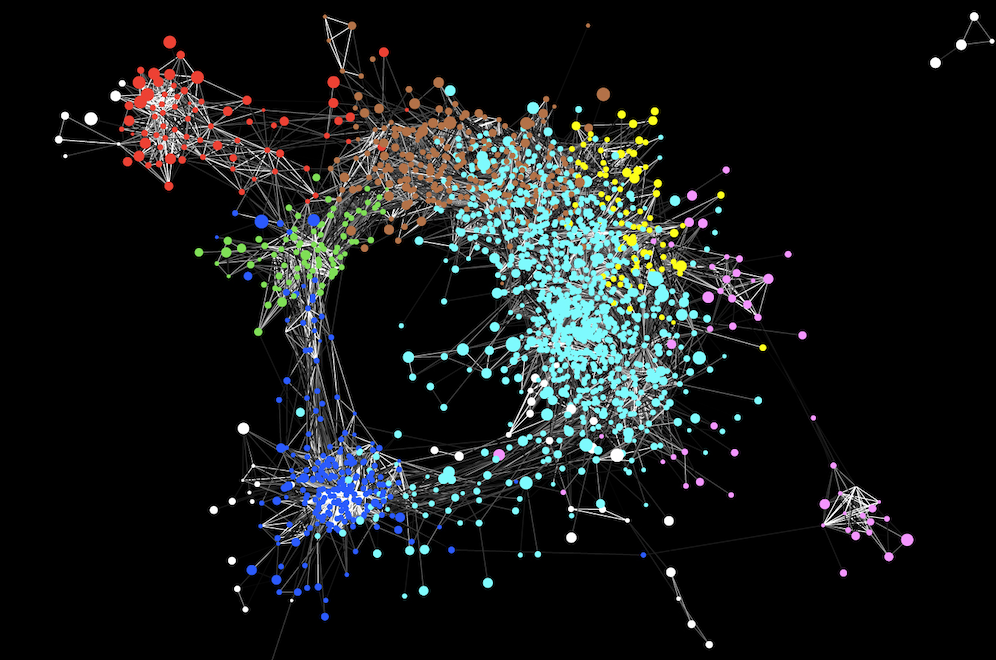
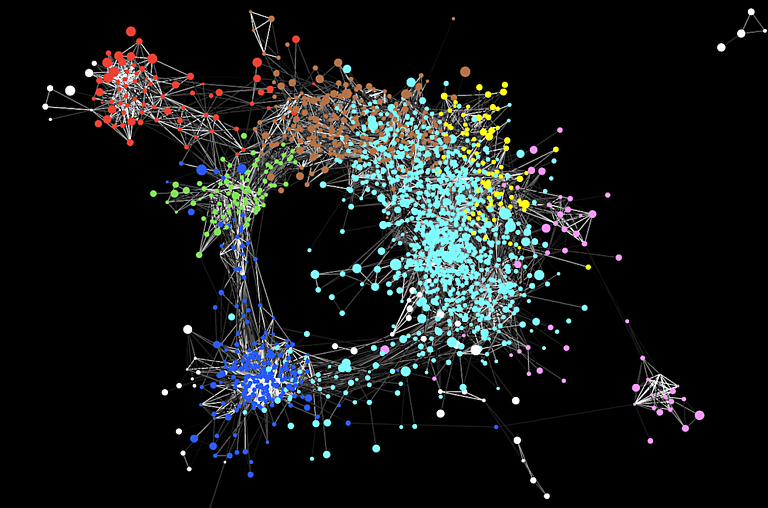
Train with our experts
A cohort of two or three Computational Biology Scholars will be immersed in the computational biology community at the Stowers Institute for 1 year with the possibility of full-time employment following the completion of the program. Stowers Computational Biology Scholars will receive mentorship and hands-on experience working alongside experts from Stowers technology centers while answering biological questions from a Stowers laboratory.
Key Dates
2025
Oct
01
Application open
2026
Feb
09
Application deadline
2026
Jun
01
Program begins
2027
May
28
Program ends
Learn more about the program
The objective of the Stowers Computational Biology Program is to provide a valuable, career-enhancing research and mentoring opportunity for early-career computational biologists and bioinformaticians.

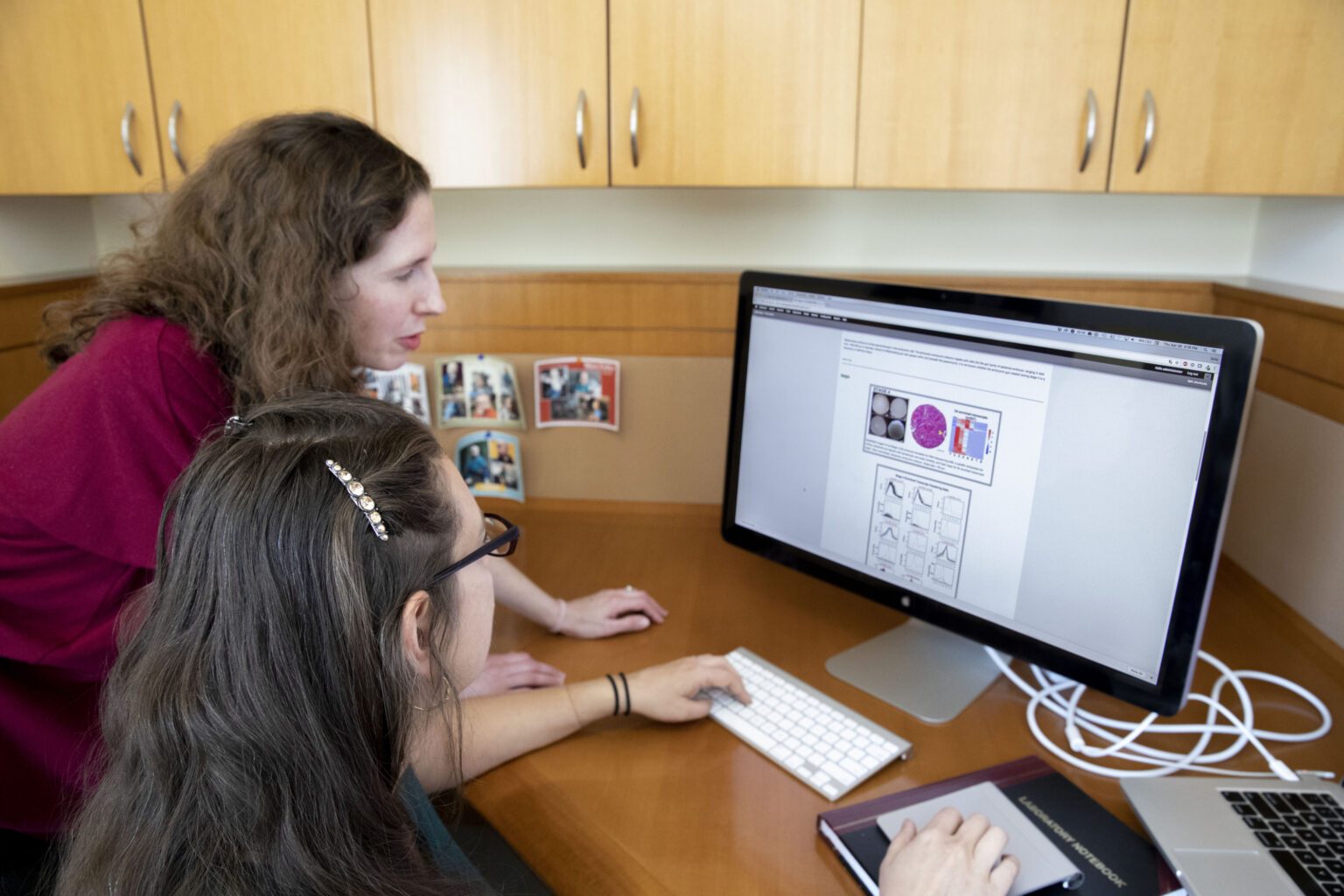
Responsibilities
- Collaborate in an interdisciplinary environment to test biological hypotheses and analyze results using computational approaches
- Communicate with researchers and help them translate their research questions into questions that can be answered with data analysis and computation
- Write and present reports to collaborators describing analysis and results linked to code
- Participate in 1:1 mentorship meetings
- Participate in lab meetings, journal clubs, and other relevant seminars
- Stay updated with relevant scientific literature
Examples of projects
- Explore the regulatory landscape of cells using data on chromatin accessibility, transcription factor binding, mRNA stability profiles, ribosome profiling, or quantitative proteomics
- Identify cell types, tissue anatomy, and inter-cell type interactions using spatial transcriptomics
- Characterize gene functions and pathways, gene expression dynamics, and genetic regulatory networks using bulk and single-cell RNA-seq
Program eligibility requirements
- Bachelor’s degree or higher in computer science, bioinformatics, data science, or a related field, including a biology degree with experience in coding
- Basic ability to navigate and work on the Linux command line
- Some experience with data analysis and visualization using R and/or Python
- Basic ability to read existing code and make changes as needed
- Familiarity with statistics and inclination for quantitative reasoning
- Interest in biology and understanding of basic biological concepts
- Strong analytical and communication skills
- Good ability to work with others and meet deadlines
- Highly motivated to learn and work in an interdisciplinary environment
What you’ll need to apply
In order to complete the application, please submit the following:
- Completed the GradCAS application
- GradCAS biographical information (biographical information will not be shared with admissions committee)
- Personal statement
- Statement of research interests and experience
- Unofficial transcript(s) uploaded to the application (official transcripts from schools will only be requested after acceptance to the program)
- Two letters of recommendation to be sent through the GradCAS portal
- Requests must be made with enough time for the recommenders to submit their recommendation by the application deadline. Application will not be considered if the letters of recommendation are not received by the deadline.
The admissions committee, participants in the interviews, and other decision-makers do not have access to the demographic data collected through the application process.
Applications are now closed. Check back fall 2026 for the next application cycle.
Compensation and benefits
The Stowers Institute offers a nationally competitive compensation and benefits package.
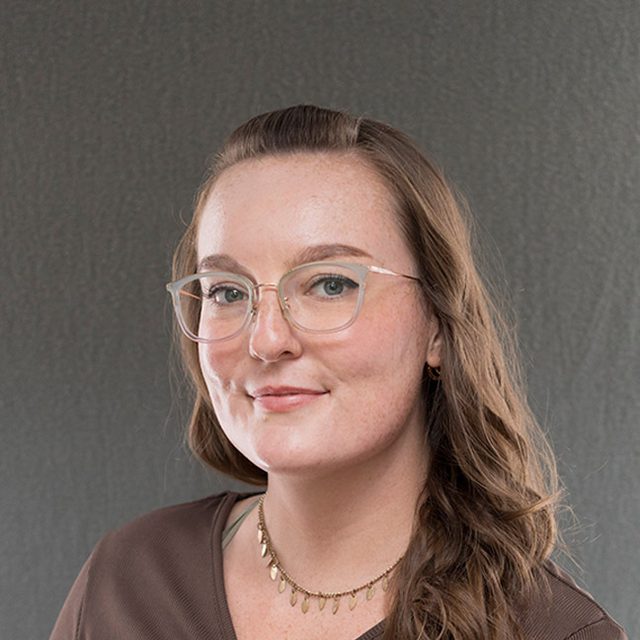
Kenzie Treese
Computational Biology Scholar
Stowers Institute for Medical Research
McKenzie Treese holds a bachelor’s degree in evolutionary biology from Southeast Missouri State University, where an early project building phylogenies of Elacatinus marine fishes introduced her to the programming language R and sparked a lasting interest in bioinformatics. She continued developing R and Python coding skills while working in research-adjacent roles before joining a neurodevelopment lab at the Stowers Institute, where she managed a 50/50 wet-lab/dry-lab project and dove headfirst into single-cell multiomic (RNA + ATAC) analysis. Treese joined the Stowers Computational Biology Scholars program to deepen her computational expertise and bring back new ideas and inspiration to her work in the lab. She is particularly motivated by a love of clear scientific communication, hoping to effectively bridge the language gap between biologists and computational scientists.

Juan Picon
Computational Biology Scholar
Stowers Institute for Medical Research
Juan Picon earned a bachelor’s degree in biology from Universidad EAFIT and is currently completing a masters in microbiology at Colombia University. Early on, Picon discovered a passion for computational biology. During his bachelor’s, Pichon worked on describing the genome of Talaromyces santanderensis, a recently discovered cadmium-resistant fungus. His master’s is focused on a bioinformatic analysis of two-component systems in Streptococcus pneumoniae. Looking for computational biology opportunities, Pichon came across the Stowers Computational Biology Scholars Program, which represented the perfect chance to expand his computational expertise and learn new methods to perform biological research.


Jillian Belluck
Computational Biology Scholar
Stowers Institute for Medical Research
Jillian Belluck holds a bachelor’s degree in computational biology from Brown University and has experience applying computational methods to protein structure analysis, computer vision–based phenotyping, and infectious disease diagnostics. She joined the Computational Biology Scholars program to build skills in bioinformatics and genome analysis, including genome assembly and annotation. Belluck enjoys collaborative research and is driven by the goal of translating advances in genetic sequencing and computational tools into more meaningful and actionable clinical insights.

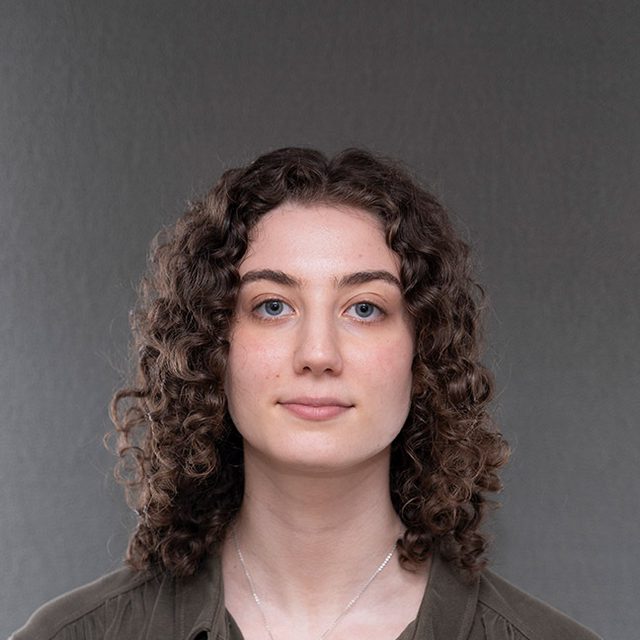
Computational Biology Scholars Alumni
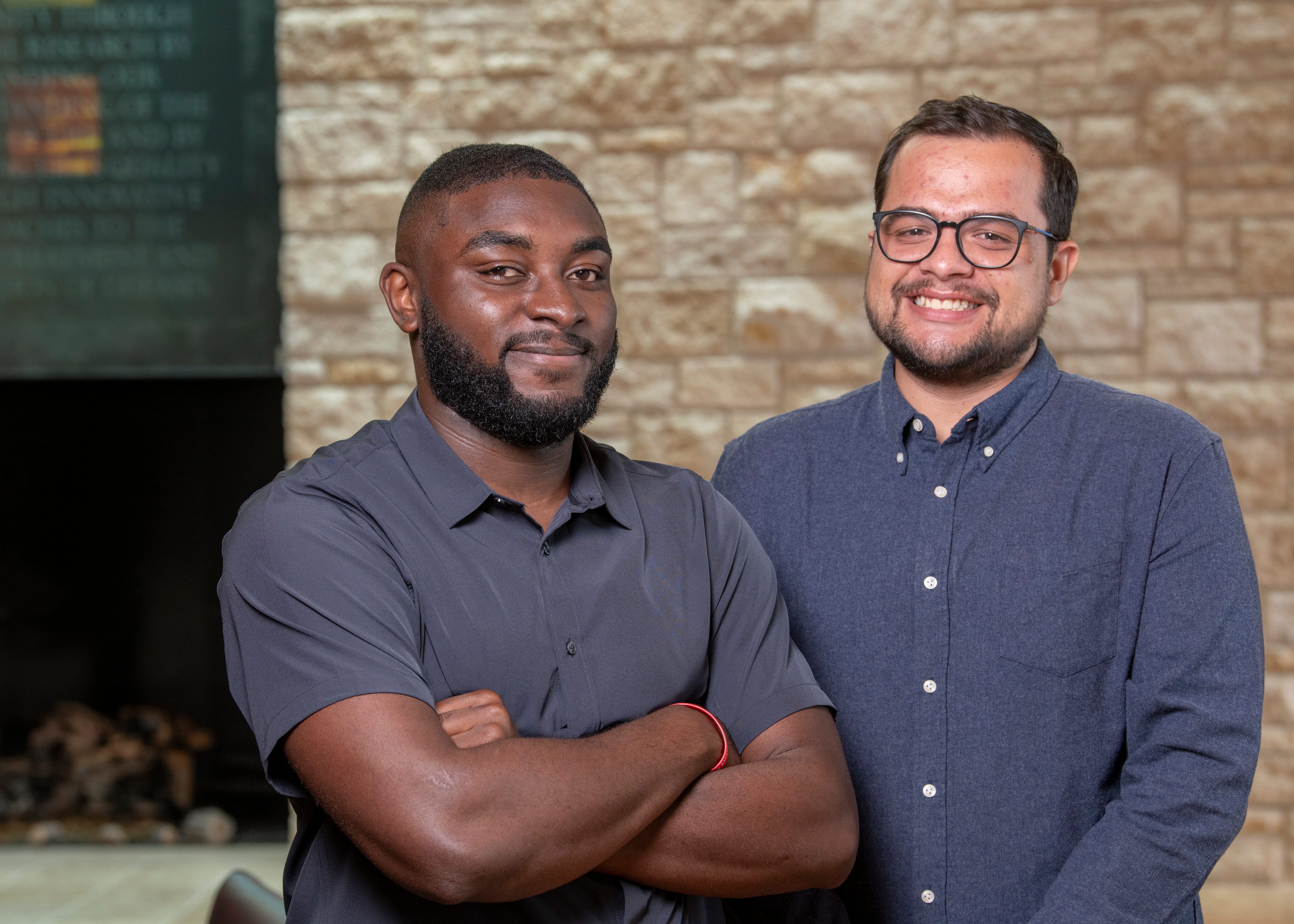
Ojong Tabi Besong (left) and Alejandro Diaz de la Vega Gonzalez (right) joined the Stowers Graduate School as Computational Biology Scholars in 2024.

Apply now
Contact us via email at compbioscholars@stowers.edu if you have questions or need additional information about the Computational Biology Scholars program.
You can also call 816.926.4400
Begin your application