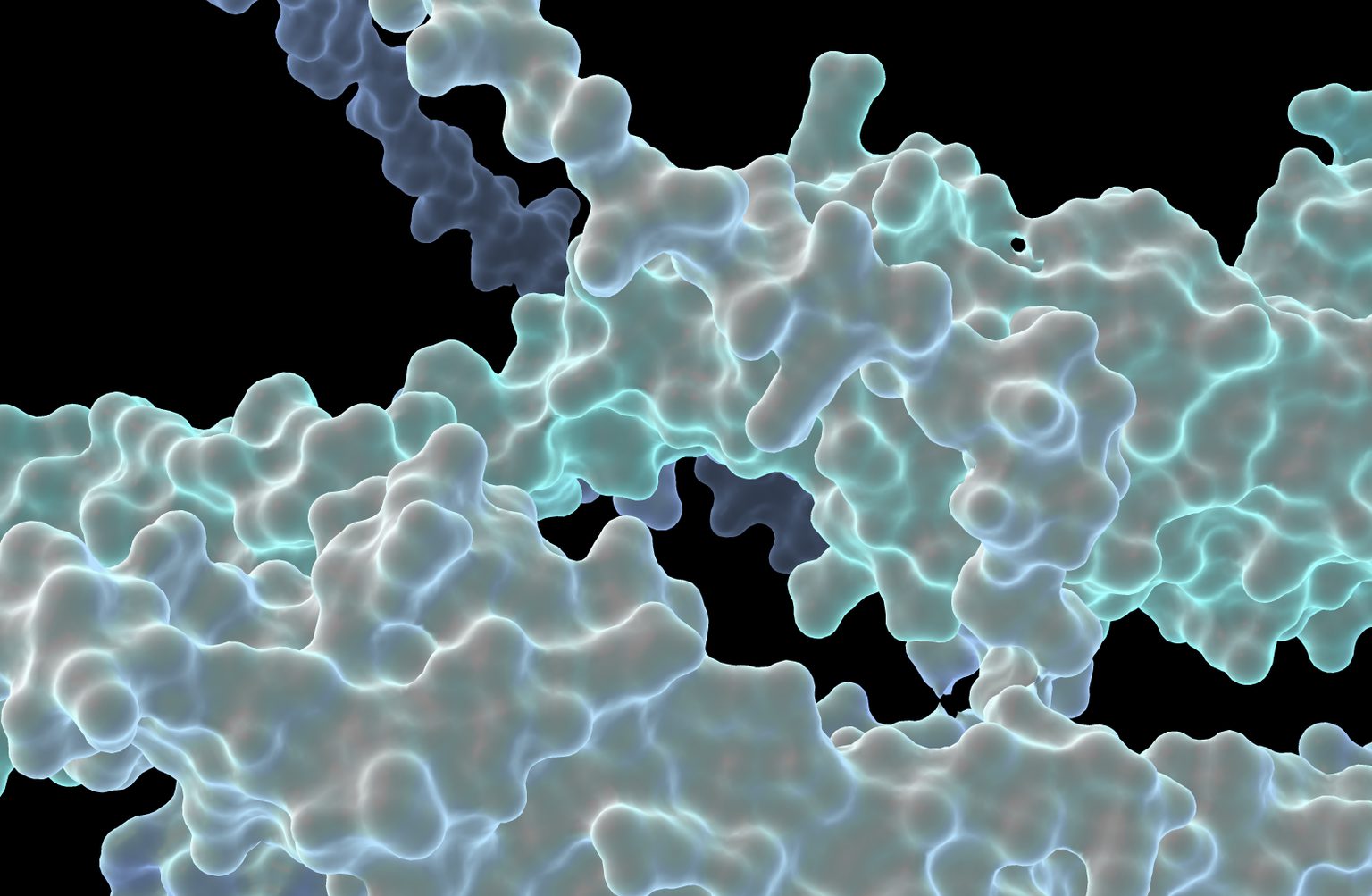
Our planet’s wide range of natural environments host an impressive abundance of microorganisms that have mastered the art of thriving under seemingly uninhabitable conditions. Among them, alphaproteobacteria stand out as some of Earth’s most successful adaptation specialists. Their extraordinary metabolic range, including bacteria that live in soil, freshwater, oceans, and plant roots, reflects nearly 2 billion years of evolutionary problem-solving in response to Earth’s shifting geochemical landscapes. This versatility has produced lineages capable of photosynthesis, nitrogen fixation, methane degradation, and even symbioses with other organisms, including parasitic human pathogens, agriculturally important plant symbionts – and the ancestors of eukaryotic mitochondria. In the Benning Lab, we seek to uncover the molecular innovations that fueled the evolutionary success of these amazing bacteria.
Our lab investigates the cellular inventions that allow bacteria to thrive in diverse environments. We focus on the intracytoplasmic membranes of alphaproteobacteria – specialized energy-producing structures that power remarkably flexible modes of metabolism. Through interdisciplinary approaches spanning structural biology, biophysics, and evolutionary analyses, we aim to uncover how intracytoplasmic membranes form, how they are regulated, and how they evolved across Earth’s microbial lineages. By linking molecular mechanism to physiology and ecology, we seek to illuminate fundamental rules of bacterial cell organization.
Bacterial diversity remains largely underexplored, leaving much of Earth’s evolutionary story untold. We see this microbial frontier as a vast reservoir of undiscovered biology. In combining environmental sampling, metagenomics, and advanced imaging, we explore intracytoplasmic membrane architectures in understudied and yet unidentified organisms. By tracing these hidden lineages, we aim to reveal how evolution experiments with cellular design to drive metabolic innovation.