These tiny sensory cells offer big implications for human health. Learn the biological basics of hair cells, how they allow us to hear and balance, and what makes zebrafish so important for regeneration research.
03 March 2026
Did you know a tiny fish could help scientists better understand, and potentially treat, hearing loss in humans?
Hair cells are specialized sensory cells that allow us to hear and maintain balance. In humans, they are located deep inside the inner ear, where small, hair-like bundles detect sound vibrations and motion. These movements are converted into electrical signals that travel to the brain, allowing us to perceive sound.
Zebrafish
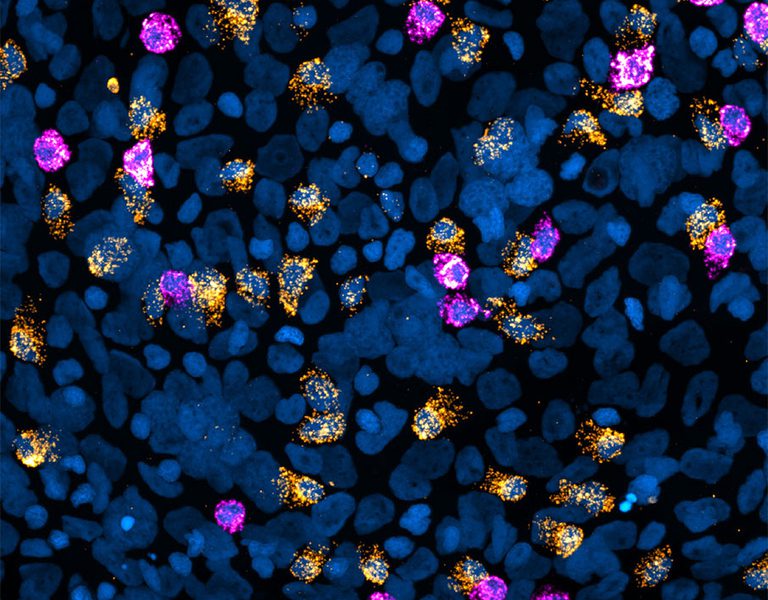
The Piotrowski Lab uses zebrafish to study how sensory hair cells develop, function, and regenerate — insights that could one day inform new strategies for treating hearing loss in people.
Kathie Thomas is the Institute’s zebrafish training coordinator, where she helps oversee the care and stewardship of tens of thousands of zebrafish that power groundbreaking biomedical research. “I love working with the fish," said Thomas. "And I love making sure that they’re well taken care of.”
Kathie Thomas explains her role at the Institute.
These hair cells are fragile, particularly in humans. Loud noise exposure, infections, aging, and even some chemotherapies can damage the cells. Once lost, human hair cells do not regenerate, leading to permanent hearing loss.
Zebrafish, however, can regrow their hair cells.
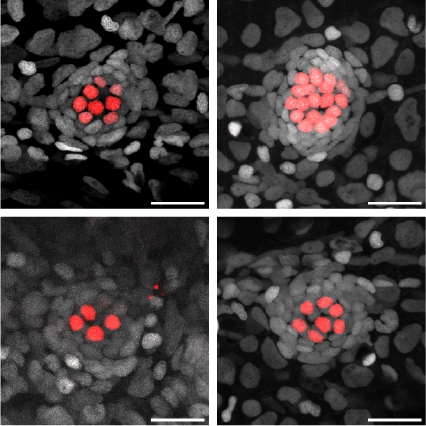
Unlike humans, zebrafish have hair cells located on the outside of their bodies in a sensory structure called the lateral line, which helps them detect movement in water. Because these cells are externally accessible, scientists can directly observe the regeneration process in real time. Combined with the fish’s rapid development — hatching within days and maturing quickly — zebrafish allow researchers to study regeneration across generations in a relatively short time.
Animation of sensory hair cells, showing the tiny hair-like bundles that detect motion and convert it into electrical signals the brain interprets as sound.
“The work that I do with the zebrafish I know will help with the research,” Thomas said.
By uncovering how zebrafish naturally regenerate hair cells, scientists at the Stowers Institute are gaining insights that could one day inform new strategies to treat — or potentially even prevent hearing loss in humans.