In The News

29 September 2026
Rapidly Evolving Aphid Proteins Share a Common Structural Blueprint
From Technology Networks: The Stern Lab reveals a shared structural blueprint among thousands of rapidly evolving aphid proteins.
Read Article
News
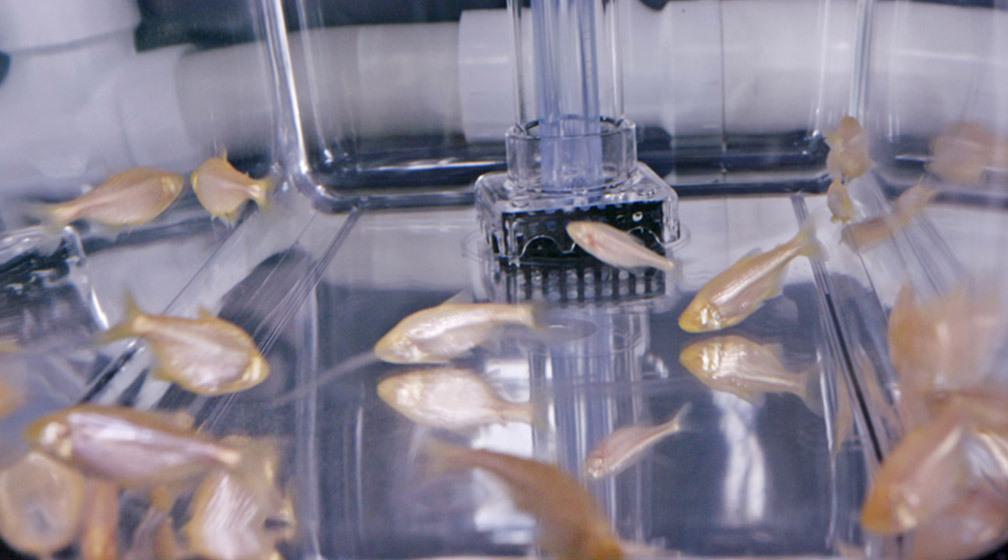
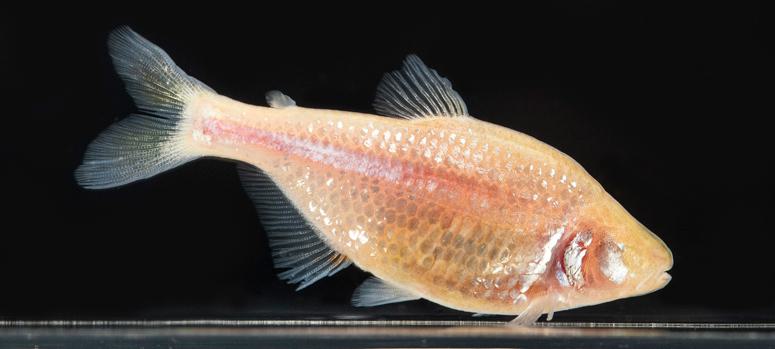
The September 2022 issue of Scientific American features an article titled, "Blind Cave Fish May Trade Color for Energy."

The September 2022 issue of Scientific American features an article titled, "Blind Cave Fish May Trade Color for Energy." The article highlights the impact of research being conducted by Stowers Associate Investigator Nicolas Rohner, PhD and his lab.
Below is an except from the article.
Astyanax mexicanus cave fish have adapted to an incredibly tough environment: chilly, pitch-dark caves that flood about once a year, providing brief feasts separated by long periods of starvation. These fish put on fat easily, maintain high blood glucose levels and sleep very little. They also have lost their eyes and coloration. Despite the challenging conditions they live relatively long lives, often reaching 15 years. Now new genetic research shows that the loss of color, rather than being incidental to evolution, may actually help these hardy fish generate crucial energy.
Read the full article here.

In The News

29 September 2026
From Technology Networks: The Stern Lab reveals a shared structural blueprint among thousands of rapidly evolving aphid proteins.
Read Article
In The News

24 September 2026
From Phys.org: The Stern Lab reveals how evolution helped AI predict the structures of thousands of rapidly evolving aphid proteins.
Read Article
Press Release
22 September 2026
In an evolutionary arms race with plants, aphids deploy thousands of rapidly evolving proteins. A team led by Stowers Institute and HHMI Investigator David Stern, Ph.D., discovered a shared architecture beneath them and revealed how evolution can help AI predict similar protein structures across biology.
Read Article
News

15 September 2026
New single-cell atlas of the acorn worm shows that most tissues undergo a genome-wide transcriptional overhaul as larva becomes adult, providing new insights into how some organisms remake their bodies in ways humans can’t.
Read Article