News

26 September 2025
Postdoc Profile: Q&A with Piotrowski Lab Postdoc, Khoa Nguyen
"The real-world experience of being in a lab will be beneficial in helping you determine if you want a career in science."
Read Article
News
Carlos Sanchez-Higueras, Ph.D., studies how gene-regulating “switches” evolved—linking DNA, development, and evolution across animals. Read the Q&A.

What is your current research focus and why?
I’m working to understand how key developmental transcription factors regulate gene expression and how these mechanisms evolved early in animal evolution. I use a comparative approach that includes both cnidarian and bilaterian model systems to identify conserved and divergent principles of gene regulation. This evolutionary perspective helps reveal general rules that link DNA sequence recognition to biological functions across animals.
Growing up, what were your first encounters with science?
When I was very young, my parents gave me a toy microscope. I remember placing a geranium petal under the lens, and I was so fascinated by what I saw. That experience left a lasting impression. Much later, during my final years of high school, studying molecular biology and metabolism deepened my interest in biology.
How did you become interested in a career in science?
I became especially engaged when I realized that biology was not just about learning facts, but about asking questions and understanding how complex systems work. I was attracted to developmental biology because it connects genes, form, and evolution in a very intuitive and conceptual way.

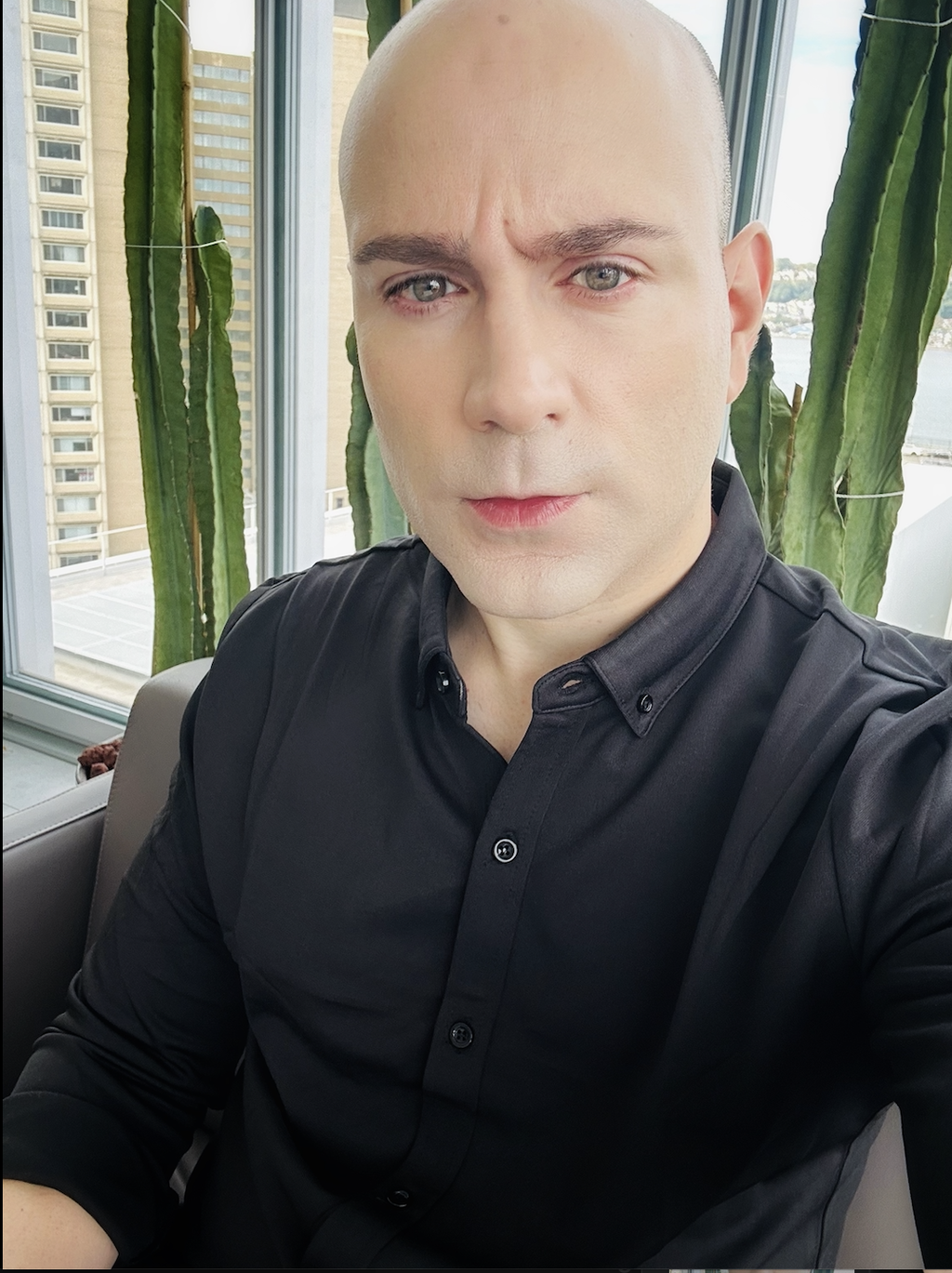
Carlos Sanchez-Higueras, Ph.D.
What made you decide to join the Gibson Lab at the Stowers Institute?
The Gibson Lab was a strong match for my scientific interests, particularly its focus on gene regulation, development, and evolutionary questions. The Stowers Institute also offers an exceptional research environment. The Institute has invested in truly outstanding Technology Centers – or core facilities —and fostered a collaborative culture that supports ambitious and technically challenging projects.
What is your favorite non-research related memory at the Stowers Institute?
My favorite thing about the Stowers Institute is the everyday atmosphere—the informal conversations with colleagues, spontaneous discussions outside the lab, and the feeling of being part of an international and intellectually curious community.
What is your favorite thing to do in Kansas City?
I love visiting the Nelson-Atkins Museum of Art. It connects me with the humanistic and artistic traditions that originated in Europe, while also offering a strong presence of Native American and other cultures. Spending time at the Nelson is both inspiring and grounding, and it provides a meaningful balance to my scientific work.
Where do you see yourself in 10 years?
I see myself continuing to not only conduct, but also lead good, impactful scientific research – working to answer fundamental questions in developmental and evolutionary biology, while contributing to collaborative and intellectually stimulating research environments.
What advice do you have for other people curious about a career in science?
I would encourage everyone to follow their curiosity and to not be discouraged by uncertainty or setbacks. Science is rarely a straight path, but persistence, creativity, and genuine interest are essential. Enjoying the process of discovery is just as important as the results.
News
26 September 2025
"The real-world experience of being in a lab will be beneficial in helping you determine if you want a career in science."
Read Article
News

29 July 2025
"Most of my best ideas—and opportunities—came from conversations with other scientists. Share data, workshop problems, collaborate. It’s the single most valuable habit I’ve cultivated."
Read Article
News

25 June 2025
"My advice would be to choose the path that makes you feel comfortable and curious."
Read Article