How do our ears allow us to hear? How does music become part of our memory? Here are three ways Stowers science is revealing the mysteries and mechanisms of hearing.
03 March 2026
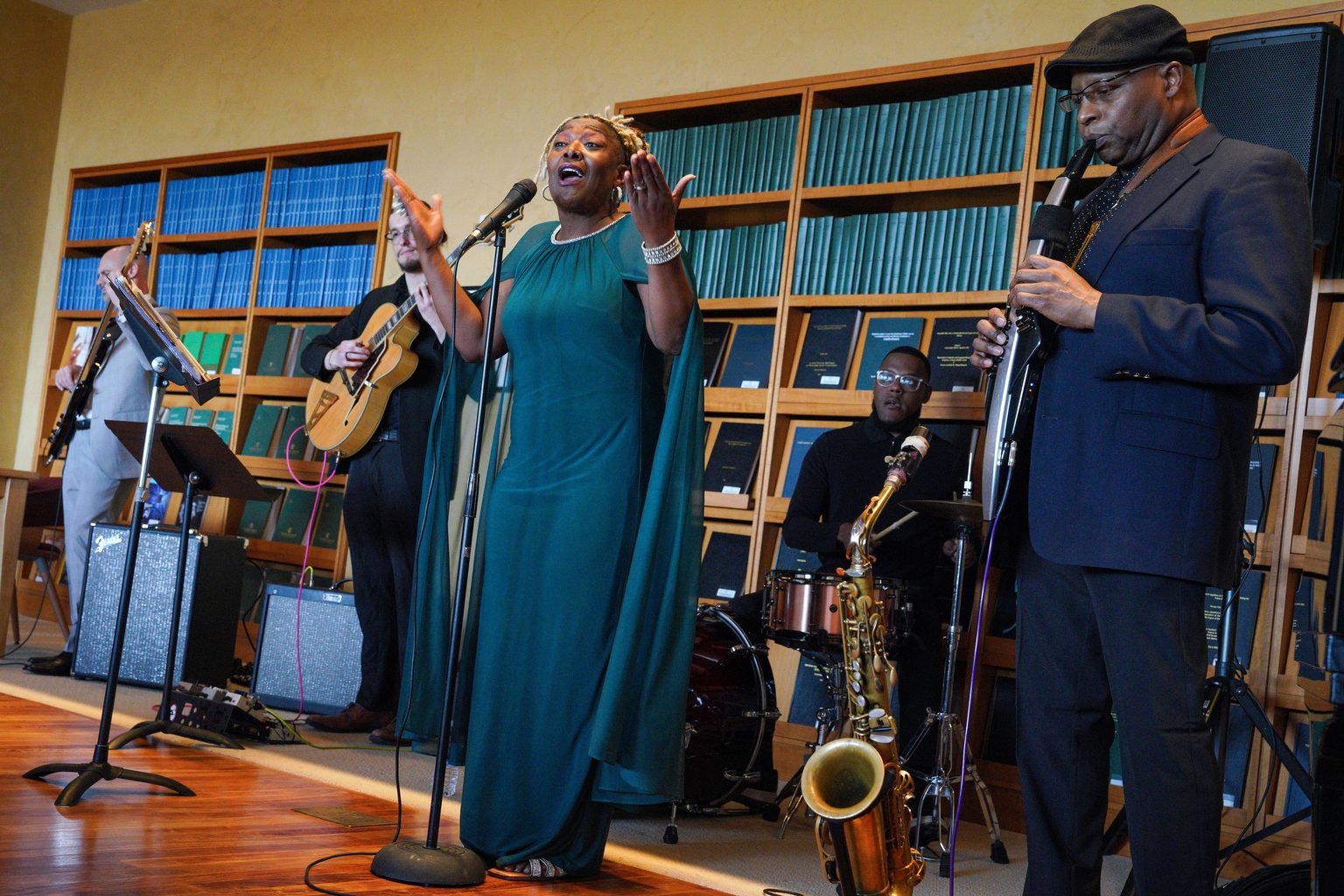
The J. Love Band performing at the Stowers Institute as part of the Experiements in Sound concert series.
Can you tie them in a knot? Can you tie them in a bow?
Among the many features of the human face, ears stick out. Literally. The visible outer ear is composed of flexible cartilage and skin designed to receive sound from our environment and funnel it into our brain where it’s processed as pattern and meaning.
But like any part of the body exposed to the world, ears can suffer injury. Outer ear damage can happen for several reasons including accidental wounds, damage from cancer surgery, or trauma such as a burn. Some people might even be born with irregularities of the outer ear as a congenital condition.
So, what happens in these cases?
The human body is good at closing wounds, but far less capable of rebuilding complex structures exactly as they once existed or were intended to be. Medicine can sometimes rebuild what’s missing: surgeons can reconstruct the outer ear using rib cartilage, implants, or prosthetics. Yet a deeper limitation remains: The human body doesn’t naturally regenerate complex structures on its own. It heals, it scars, and when necessary, it relies on reconstruction.
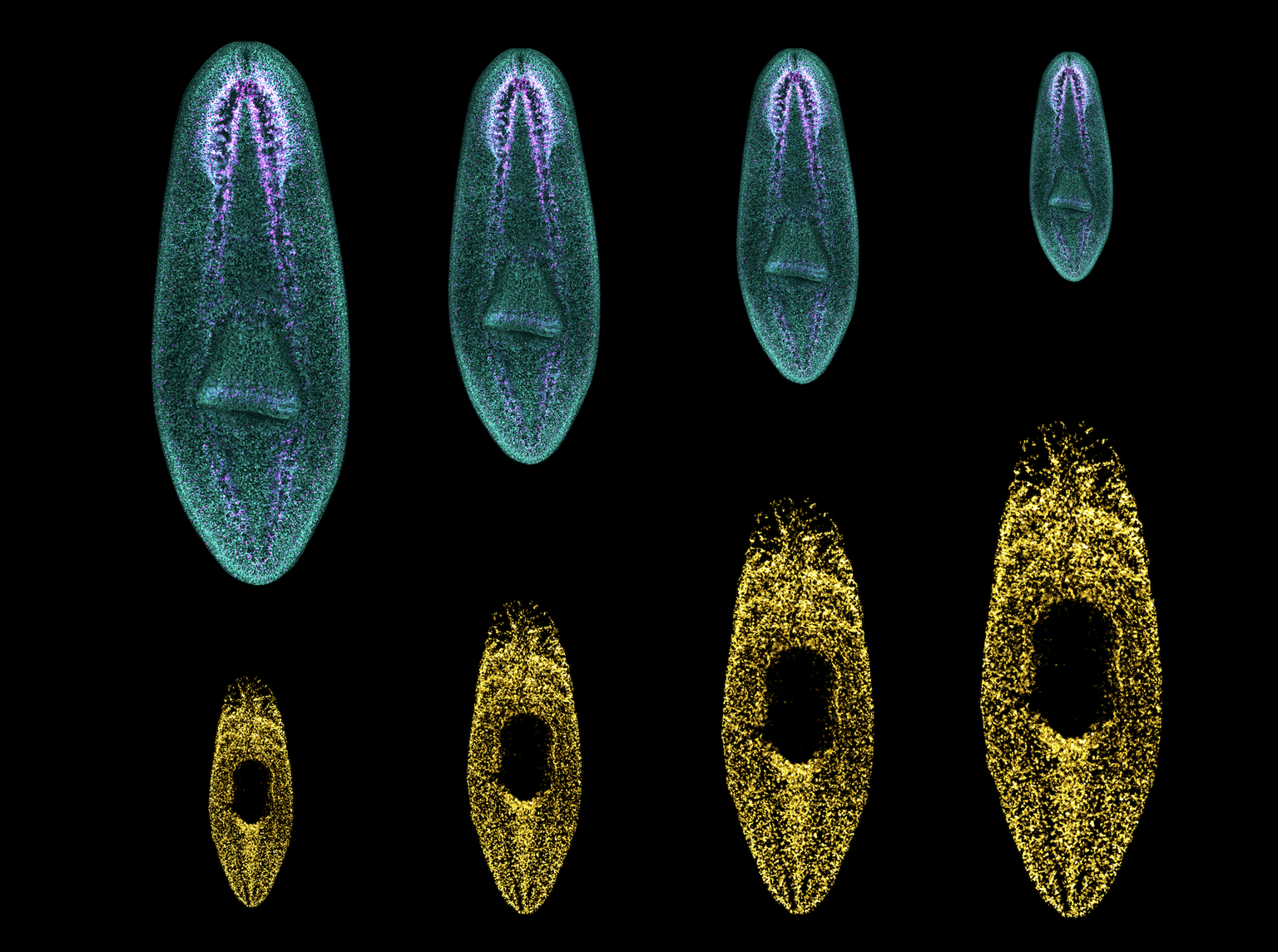
Planarian stages of regeneration. Image courtesy of the Sánchez Alvarado Lab.
Understanding how some organisms regenerate tissue from within could reveal the biological instructions we’re missing. Scientists studying regeneration are interested in species that have some similarities to humans but possess biological features that we don’t share.
When it comes to damaged tissue, Stowers scientists in the Sánchez Alvarado Lab are turning to the planarian flatworm for answers. While planarians don’t have ears like humans, they do have the ability to regenerate entire parts of their bodies when injured, including organs and tissue that share a lot in common with the human body. By studying how planarians coordinate regeneration – knowing what to rebuild and when to stop – scientists can uncover rules that may guide future efforts to improve repair in humans – both in the outer ear and beyond.
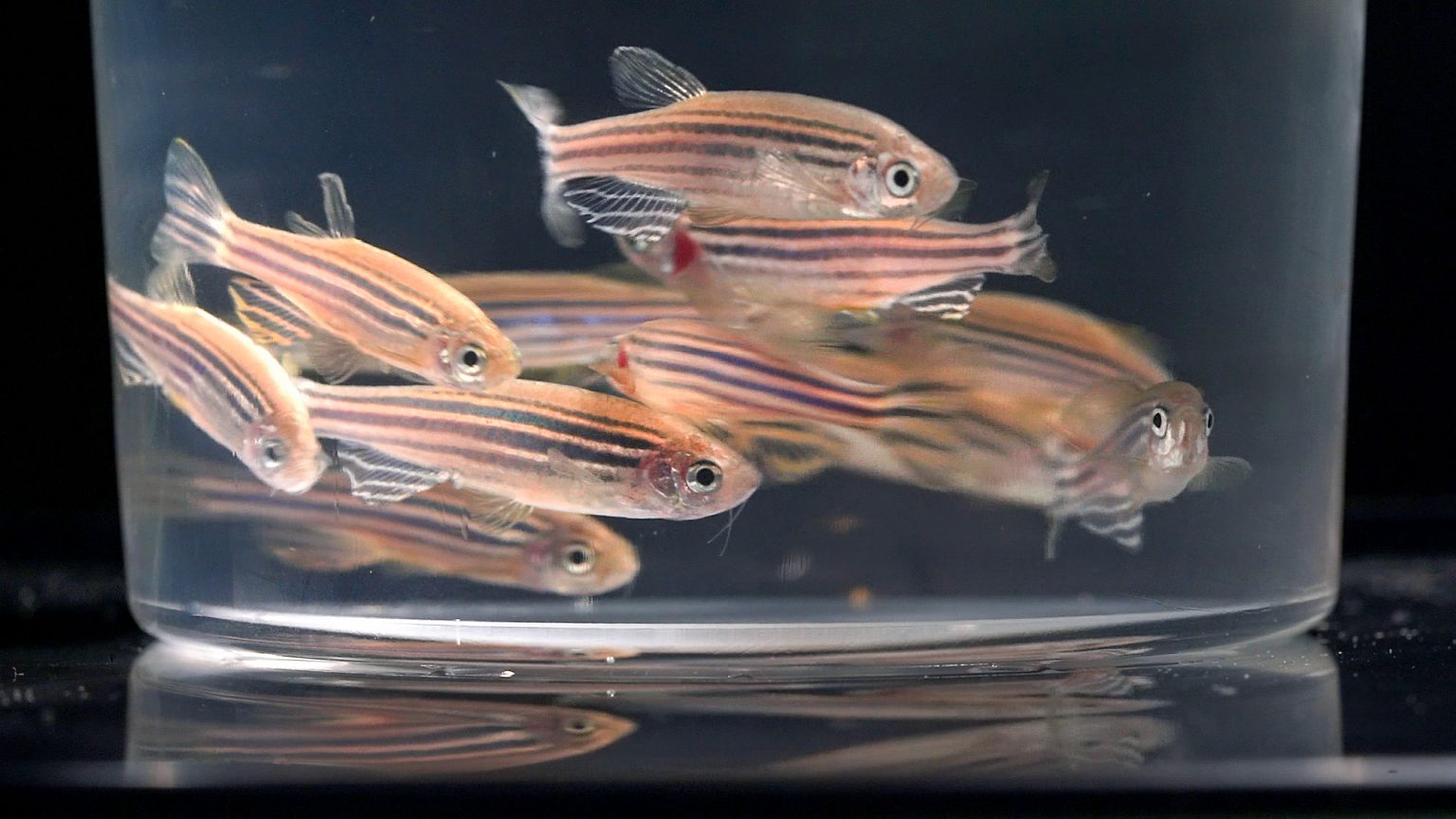
Zebrafish. Image courtesy of the Piotrowski Lab.
Did you hear the one about the zebrafish?
Going a bit deeper, the inside of the ear canal is lined with hair cells—tiny cells that play a huge role in hearing and balance. They’re called “hair” cells because they have small, hair-like structures on their surface. When sound waves or movement strike these structures, the cells convert that motion into electrical signals that the brain understands as sound. Without healthy hair cells, the signal can’t get through. Once human hair cells are damaged or die, they don’t grow back, leading to permanent hearing loss.
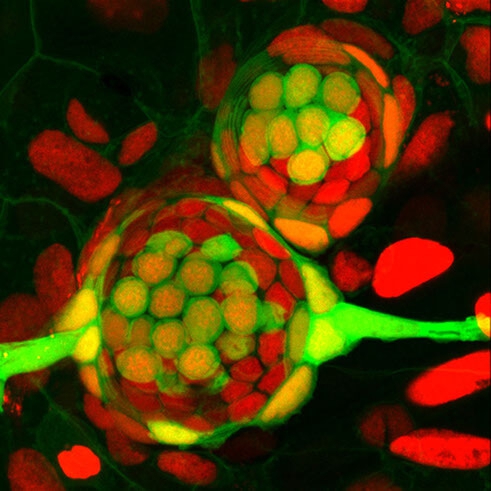
Mature zebrafish neuromasts (spherical clusters of cells) with individual sensory hair cells inside. Image courtesy of the Piotrowski Lab.
So where do zebrafish come in? Zebrafish have hair cells that are incredibly similar to the ones in humans—but theirs can grow back. They’re found on the outside of the fish’s body, in a sensory system called the lateral line. This makes zebrafish a powerful research organism for scientists. The Piotrowski Lab at the Stowers Institute observes hair cells in action every day—witnessing the regeneration process in real time—and tracking which cells divide or change identity and what genes guide the process. By pinpointing exactly how zebrafish enable hair cell repair, the Lab is generating new knowledge that can help better inform future therapies or treatments for hearing loss in humans.
Forming memory out of thin (music-filled) air
Cymbals crash, the snare drum cracks, a trumpet blares, and the upright bass rumbles low. Sitting in a jazz club in downtown Kansas City, the musical vibrations move smoothly through the room. Sound arrives first as waves in the air, but then, it’s gone. And yet, some experiences, such as that night in the jazz club don’t always disappear. They become memory.
There is no physical contact other than the air. If the music doesn’t physically touch us, then how is it that it can so deeply move us?
At the Stowers Institute, the Si Lab is trying to understand exactly that: How do we make a memory? What is the brain doing when it converts experience into something that lasts?
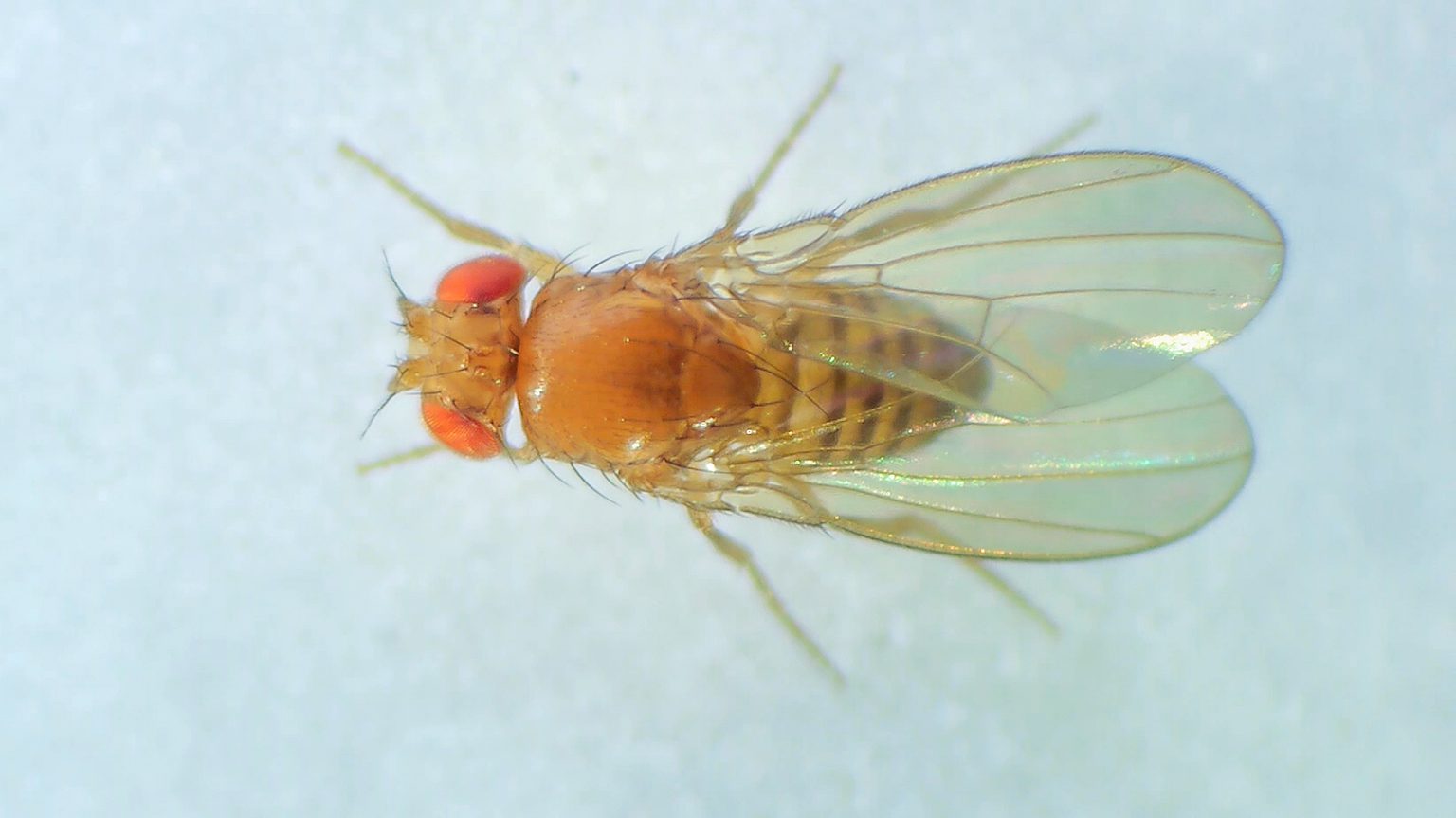
Fruit fly.
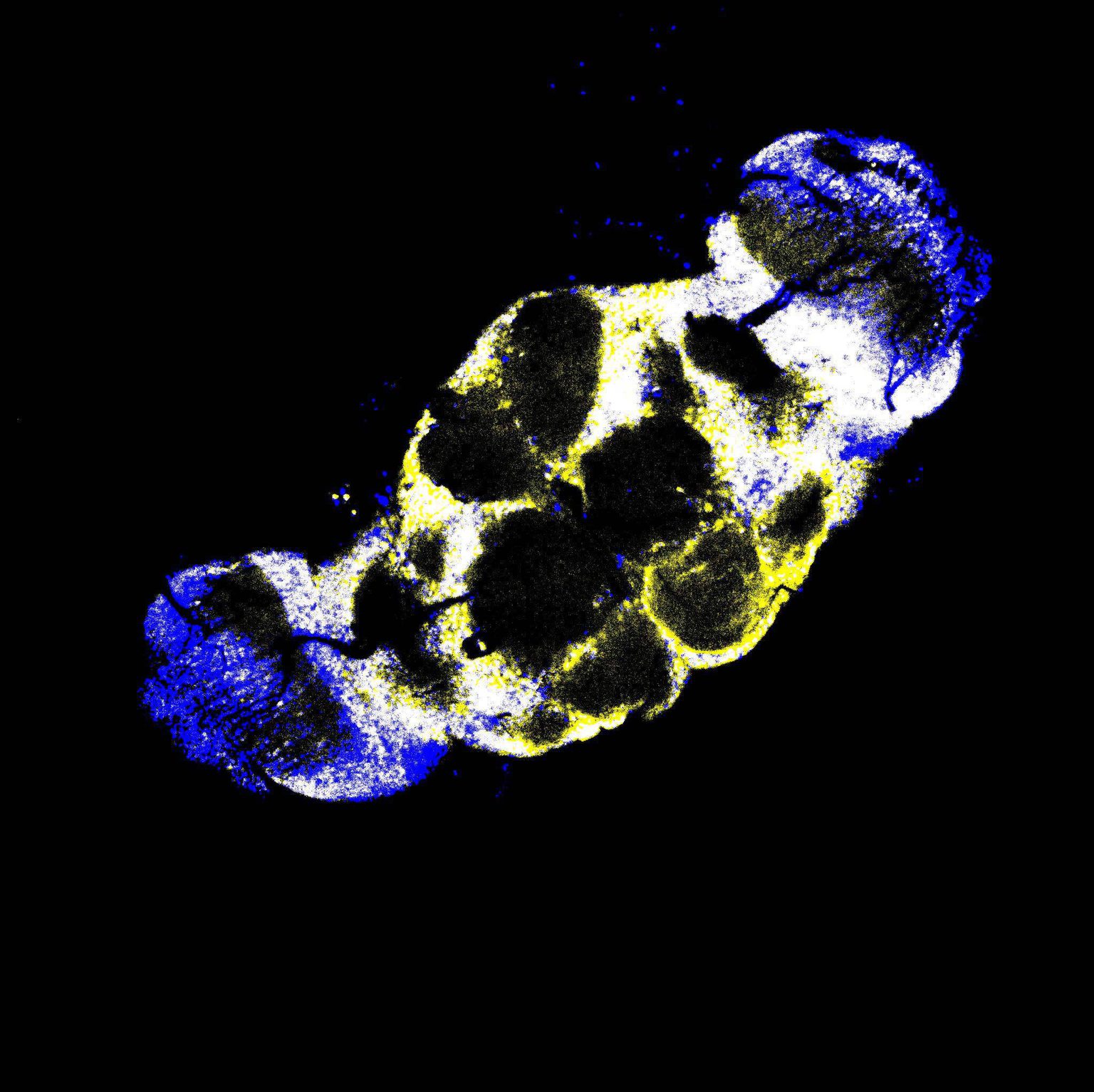
New research from the lab of Scientific Director and Investigator Kausik Si provides direct evidence that the nervous system can deliberately form amyloids to support long-term memory. In fruit flies, the team found that a tiny “helper” protein (a chaperone) can guide a memory-related protein into a functional amyloid state at the right time and place in response to experience, helping the brain store what it decides to keep.
The findings also add nuance to amyloids’ reputation. Amyloids are often associated with neurodegenerative disease, but this work strengthens evidence that amyloids can be regulated and functional in normal biology—raising new questions about what separates helpful amyloids from harmful ones.
Microscopy image of the fruit fly brain.
These questions related to sound and hearing—how we receive it, how we lose it, how it becomes memory—might seem at first like questions strictly about human experience.
And yet, when it comes to truly understanding how biological systems work – how cells can be damaged, tissues can recover, and proteins can help remember – a scientist’s curiosity will often turn them to nature, exploring unexpected places and species that possess traits and abilities humans do not.