#Stowers25: Celebrating 25 Years
07 November 2025
Fourteen key discoveries over 25 years
Highlighting 14 high-impact discoveries from the Stowers Institute's inception
Read Article
In The News
From the Kansas City Business Journal, Investigator Julia Zeitlinger recognized as a 2026 NextGen Leader for scientific leadership, mentorship, and her work guiding the Institute’s AI initiative.
Julia Zeitlinger, Ph.D., discusses the launch of the Stowers Institute's AI Initiative.
Julia Zeitlinger, Ph.D., Investigator at the Stowers Institute and lead of the Institute’s AI initiative, has been named a 2026 NextGen Leader by the Kansas City Business Journal.
The annual recognition honors emerging leaders across the Kansas City metro who are making a meaningful impact in their fields and communities. This year’s honorees were selected from industries including medical research, marketing, hospitality, and law, with profiles highlighting a shared focus on helping others succeed, embracing uncertainty, and leading with humility.

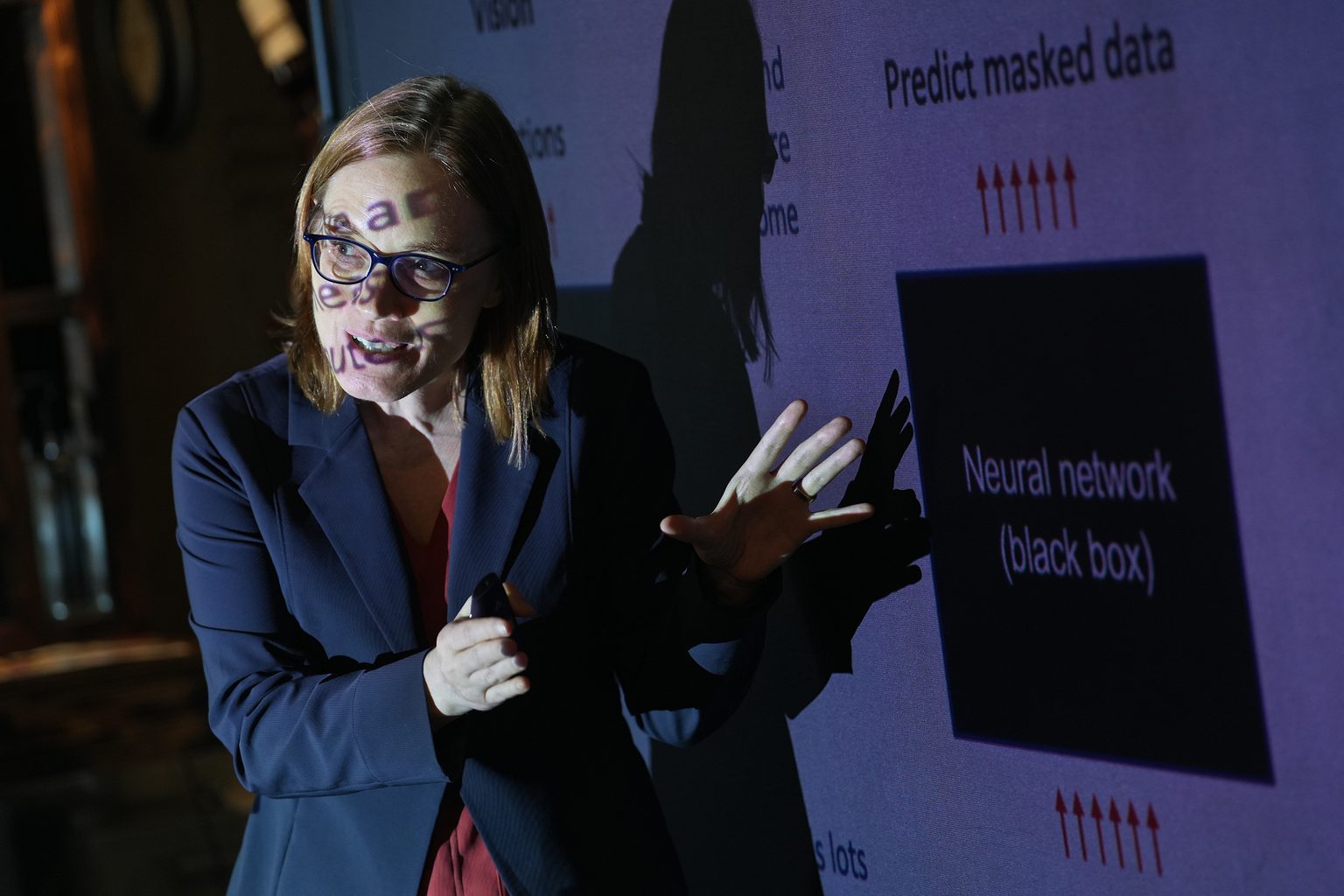
For Zeitlinger, the recognition reflects a career devoted to solving complex biological problems and helping others develop the tools and confidence to solve them, too.
“I care deeply about helping science evolve responsibly,” Zeitlinger said. “For more than seven years, I’ve applied AI to functional genomics, and I’ve learned that the best outcomes come when these tools are paired with biological insight, careful interpretation, and rigorous validation.”
Her lab studies the hidden “grammar” of gene regulation — the rules that help determine when genes are turned on or off during development and disease. In recent years, her work has helped move the field from simply mapping DNA to using artificial intelligence to better understand how genetic instructions are interpreted inside living cells.
One major example is BPNet, a pioneering deep-learning model published by the Zeitlinger Lab in 2021. The tool analyzes high-resolution maps of DNA interactions to help scientists learn the hidden syntax of gene regulation and predict how genes turn on and off.

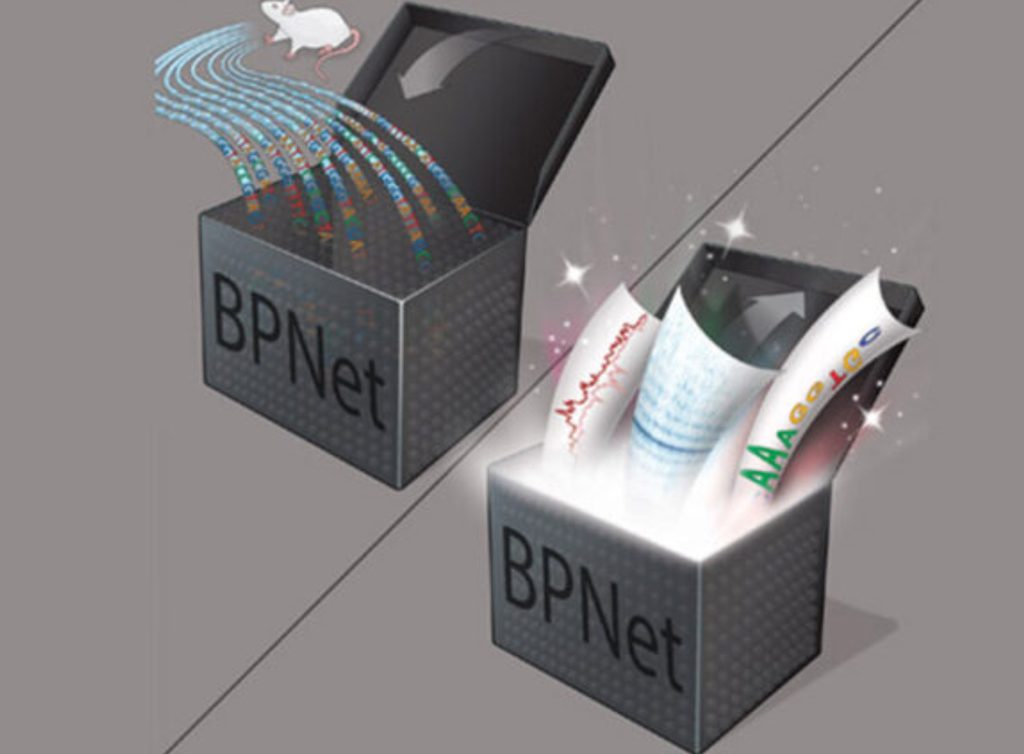
Graphical illustration showing how the AI model BPNet converts DNA sequence to motif predictions.
BPNet helps transform the genome from a static map into a dynamic model for understanding how genetic changes may behave.
Since 2023, Zeitlinger has led the Institute's AI initiative, a major effort to help scientists use artificial intelligence rigorously and responsibly in foundational biology. She also supervises AI fellows and helps guide cross-disciplinary training programs through the Stowers Graduate School.
AI is not a replacement for scientific thinking when it comes to Zeitlinger's approach. Rather, she says it is a way to expand what scientists can ask as they pair the technology with the right judgment.

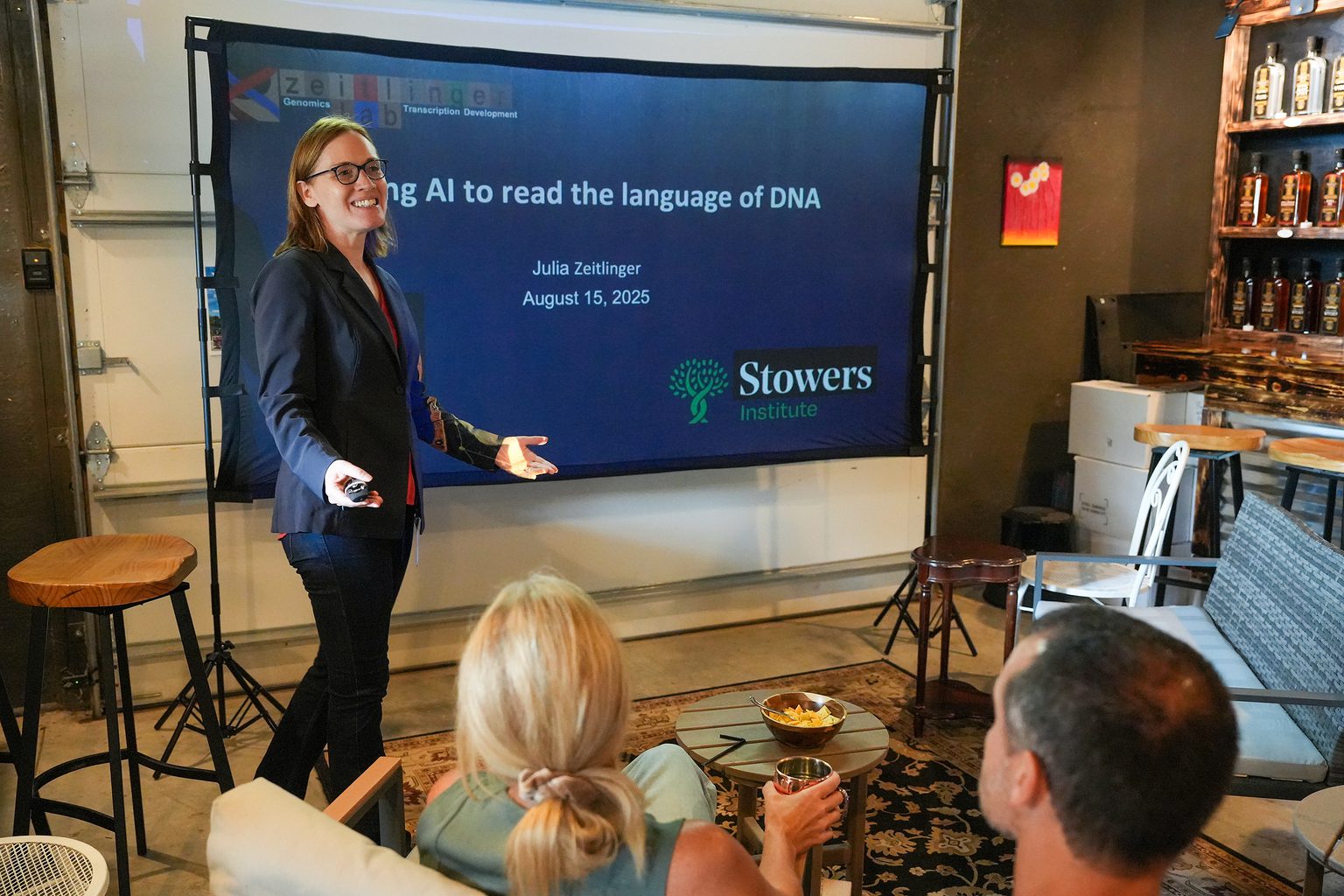
“I’m especially motivated by the opportunity to inspire and equip the next generation of scientists to pursue bold questions in biology, which until recently, we couldn’t even imagine asking,” she said. “Training early-career researchers and giving them the knowledge, confidence, and scientific grounding to push into new territory is one of the most meaningful parts of my work. They are the ones that will shape the future of science.”
That philosophy aligns closely with the Institute’s broader approach to AI.
President and Chief Scientific Officer Alejandro Sánchez Alvarado, Ph.D. explained that Zeitlinger’s strategy treats AI outputs “not as answers, but as sophisticated hypotheses demanding validation,” an approach designed to amplify, rather than replace, the scientific method.
Zeitlinger is also deeply involved in scientific training, peer review, and public communication. She teaches genomics and gene expression, serves in multiple leadership roles within the Stowers Graduate School, organizes international scientific meetings at the Institute, and has spoken at community events in Kansas City about science and AI.
“I also value transparent science communication,” Zeitlinger said. “I see it as my responsibility to help ensure AI is not only understood but used thoughtfully and in ways that ultimately benefit society.”
Her recognition also reflects the growing role of Kansas City as a place where world-class scientific innovation can thrive. “Julia is proof that world-class innovation thrives here in Kansas City,” Sánchez Alvarado said. “She challenges the outdated notion that you must be on the coasts to do pioneering work.”

The following is an excerpt from the Kansas City Business Journal’s feature on Zeitlinger. Subscribers can read the full profile here.
What motivates you: I’m motivated by solving complex problems and making a meaningful impact on people’s lives. That’s what drew me to research and makes my work so fulfilling, especially alongside a strong, collaborative team.
Your career high: One highlight was in 2018, when collaborators shared early results showing that AI could recognize patterns in DNA that I had been searching for – for 10 to 20 years. I immediately sensed that this was transformative, and it became a turning point that led me to embrace and study AI.
Describe yourself in three words: Curious, open-minded, passionate.
40 words to anyone: Work on what matters, stay curious, and don’t be discouraged by failure. Breakthroughs favor the prepared — those with the expertise to recognize them and the tools to transform rare opportunities into lasting impact.
#Stowers25: Celebrating 25 Years
07 November 2025
Highlighting 14 high-impact discoveries from the Stowers Institute's inception
Read Article
In The News

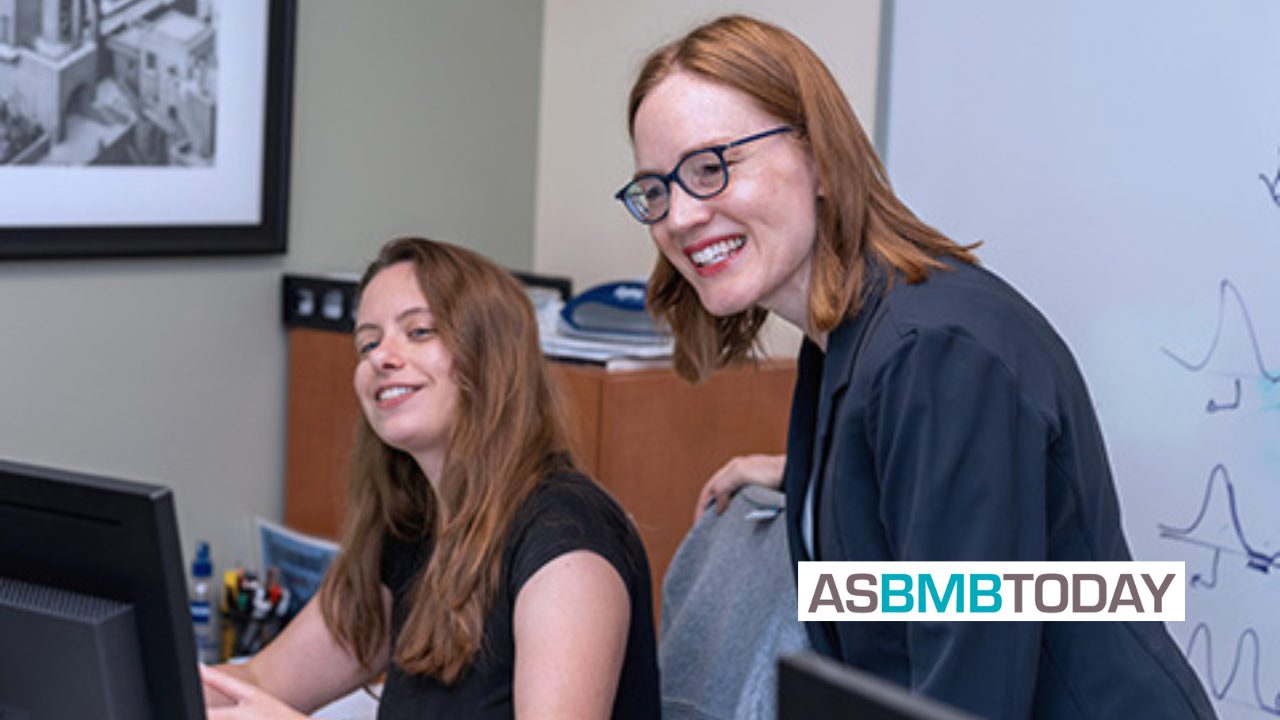
16 October 2025
From ASBMB, the Zeitlinger Lab studies how protein transcription factors, or TFs, bind to DNA to regulate gene expression, using fruit flies as her model.
Read Article
News

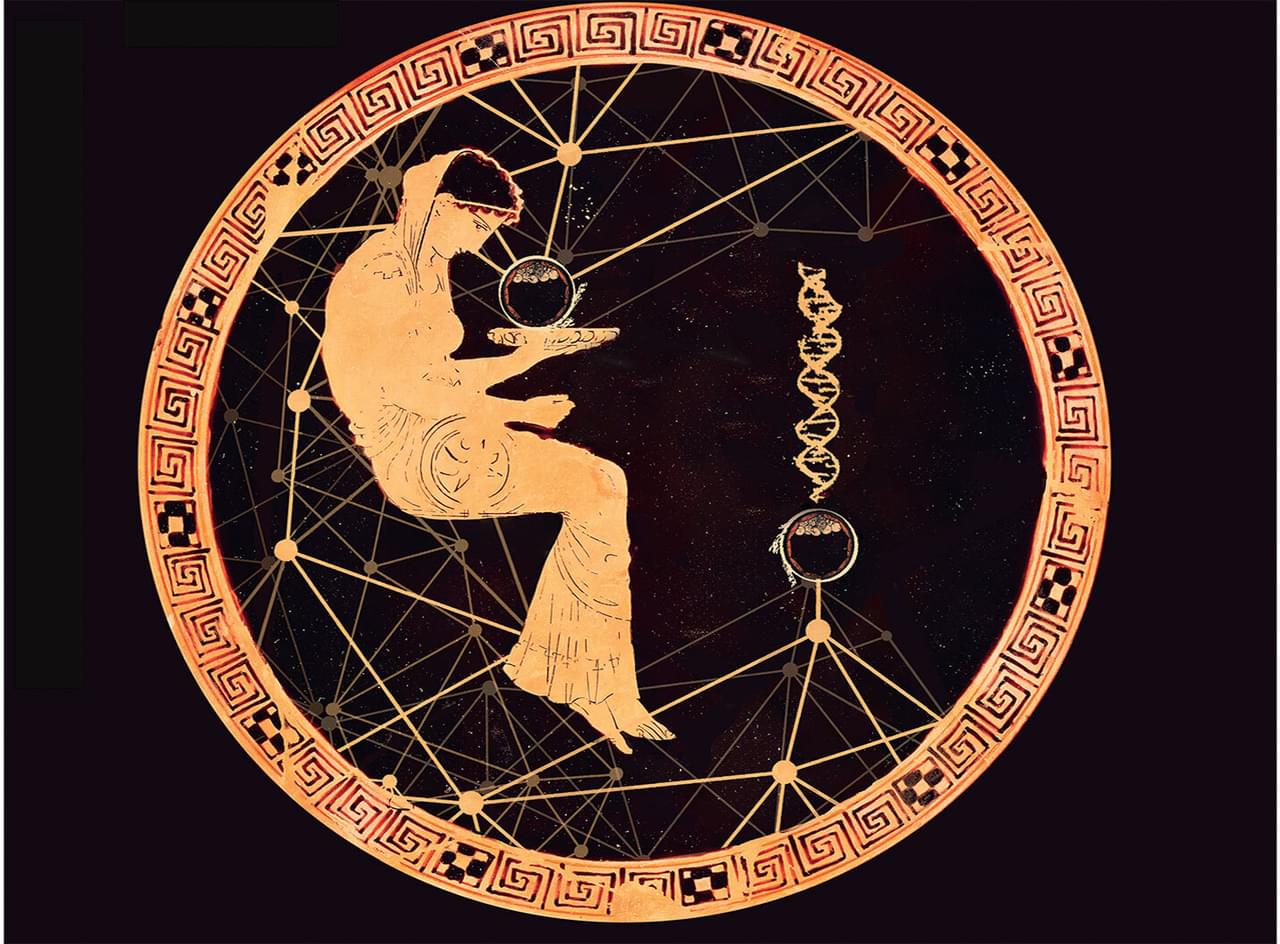
09 April 2025
New study shows how we can better learn our genome’s hidden grammar, potentially paving the way for personalized medicine.
Read Article
News
26 October 2026
The winning video highlights research from the lab of Investigator Matt Gibson, Ph.D., whose team has become one of a handful worldwide to successfully maintain and reproduce reef-building corals in a lab. Their work aims to uncover fundamental insights that could help protect coral that are increasingly threatened by climate change and other environmental pressures.
Read Article