News

Untapped Potential: What we miss if we only study ourselves

Discovery often starts with the unexpected, and Shane Miller, the Stowers Institute's Director of Research Organisms, believes turning to nature is how we can turn big questions into breakthroughs.

26 February 2026

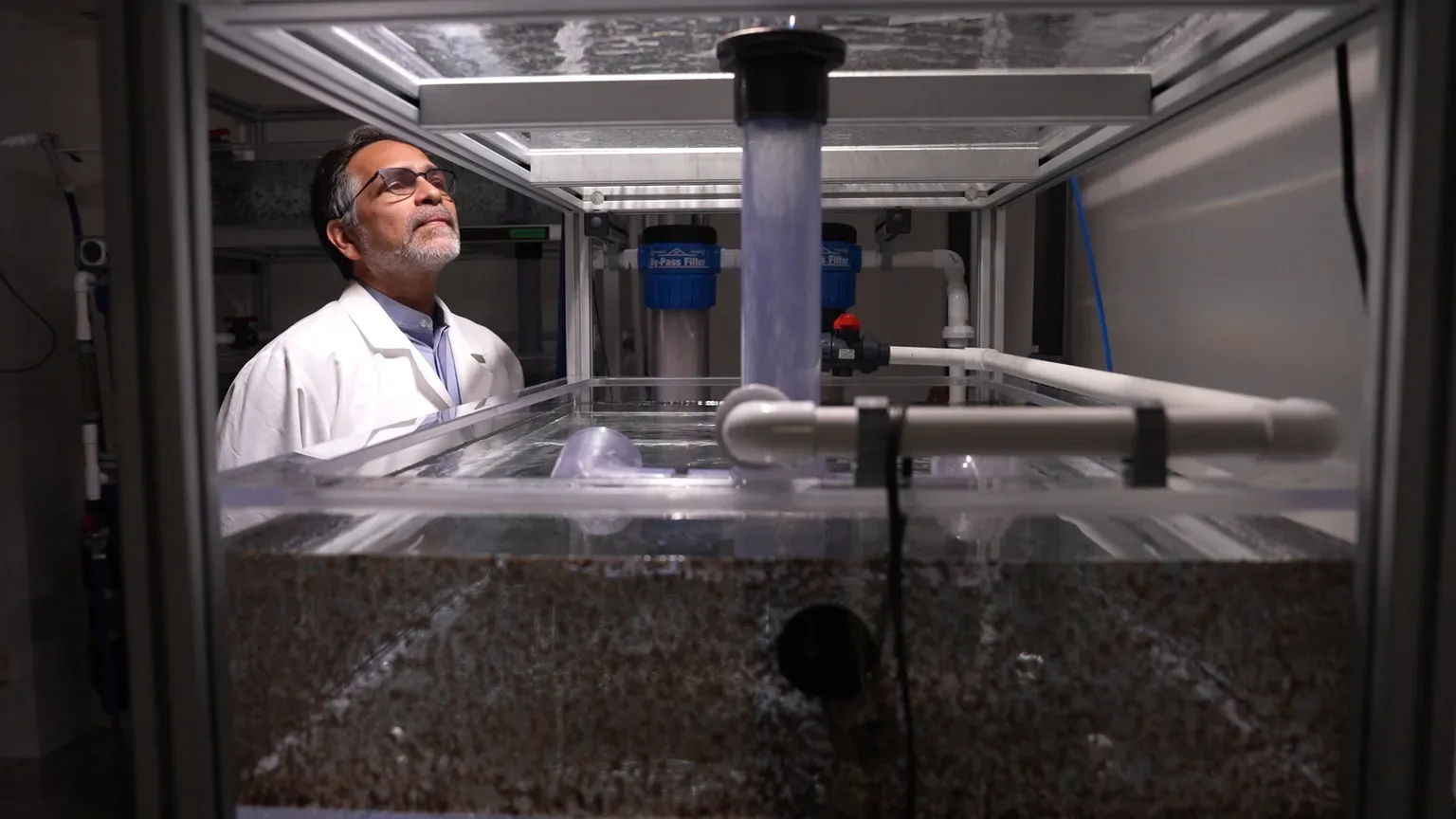
Walk into the Planarian Facility at the Stowers Institute, and you’re not just looking at a worm in a dish. You’re looking at a living clue. “You could take an individual worm and cut it in half, and you’ve got two worms,” Shane Miller, Director of Research Organisms, explained. “I can’t cut off my arm and have a second arm. It’s not how we work, but why is that? That’s what fascinates me.”

Twenty-five years ago, President and Chief Scientific Officer Alejandro Sánchez Alvarado, Ph.D., first scooped planarian flatworms from a fountain in Barcelona, Spain. When he joined the Institute in 2011, he helped build what became the first core facility dedicated to planarians—now a robust operation supporting Stowers members and the broader regenerative biology community.

Miller leads the teams and systems that keep some of the Institute’s most (un)ordinary organisms thriving, which include planarians, apple snails, sea anemones (Nematostella), coral, and. more.

What makes the Stowers model rare, he added, isn’t just having one distinctive organism to study. It’s having many of them in the same place and cared for by specialized teams, so researchers can compare living systems quickly in ways few places can. “We have organisms that can be found under a rock in a creek, or out in the ocean,” he said. “Where else can you say that you have these animals right in front of you, in the same building?”

Studying a large variety of organisms matters because biology doesn’t give up its secrets through one species alone. “Nature plays such a big role in answering the unknown,” Miller said. “If we just stuck to studying ourselves, we’d be missing out on 99.99% of what’s really out there.”

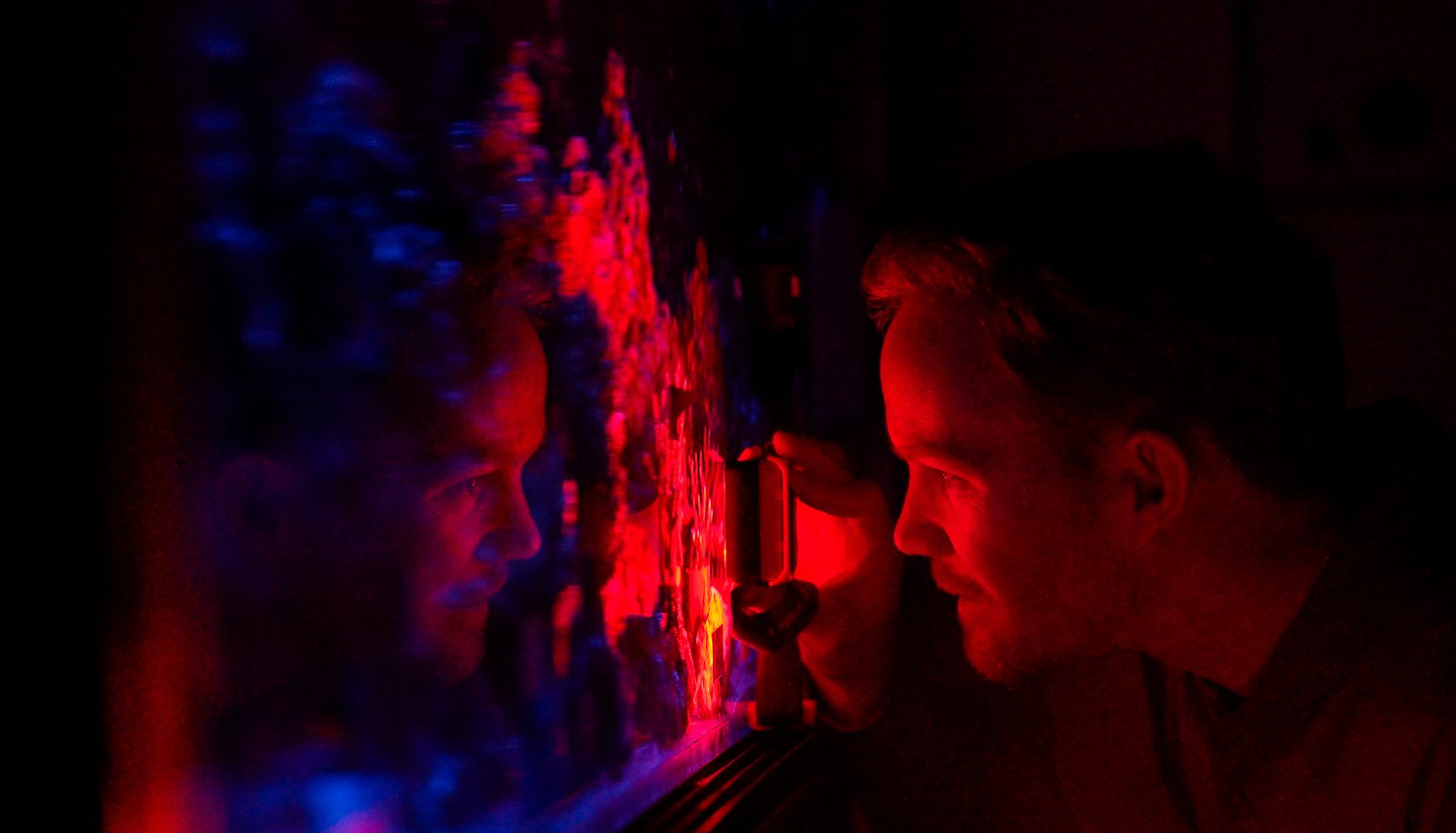
Miller, pictured above,  prepares for coral to spawn in the Coral Facility. The team, led by Investigator Matt Gibson, Ph.D., recreated lunar cycles, seasonal temperature shifts, and a photoperiod to mirror the natural cues that trigger spawning. In doing so, they became one of just a handful of labs worldwide to successfully spawn coral in a lab.

Many of the Institute’s research organisms are ones that the average person might come across in nature, yet they tend to be overlooked – worms, snails, coral. “It’s our job to ask questions about these organisms that most people ignore,” Miller said.

In the Institute's Invertebrate facilities, organisms that may appear, perhaps, unremarkable to some people, are capable of truly remarkable feats, especially in regeneration, making them powerful tools for asking foundational questions realted to injury and aging.

Planarians can rebuild their entire bodies. Apple snails can help illuminate how tissues like the retina repair themselves. Coral represents a frontier of biology left largely understudied with “so much work to be done that we don’t even know what all it entails yet,” Miller explained. “Exploring how their bodies actually work may provide the clues needed to intervene in places where they continue to die.”

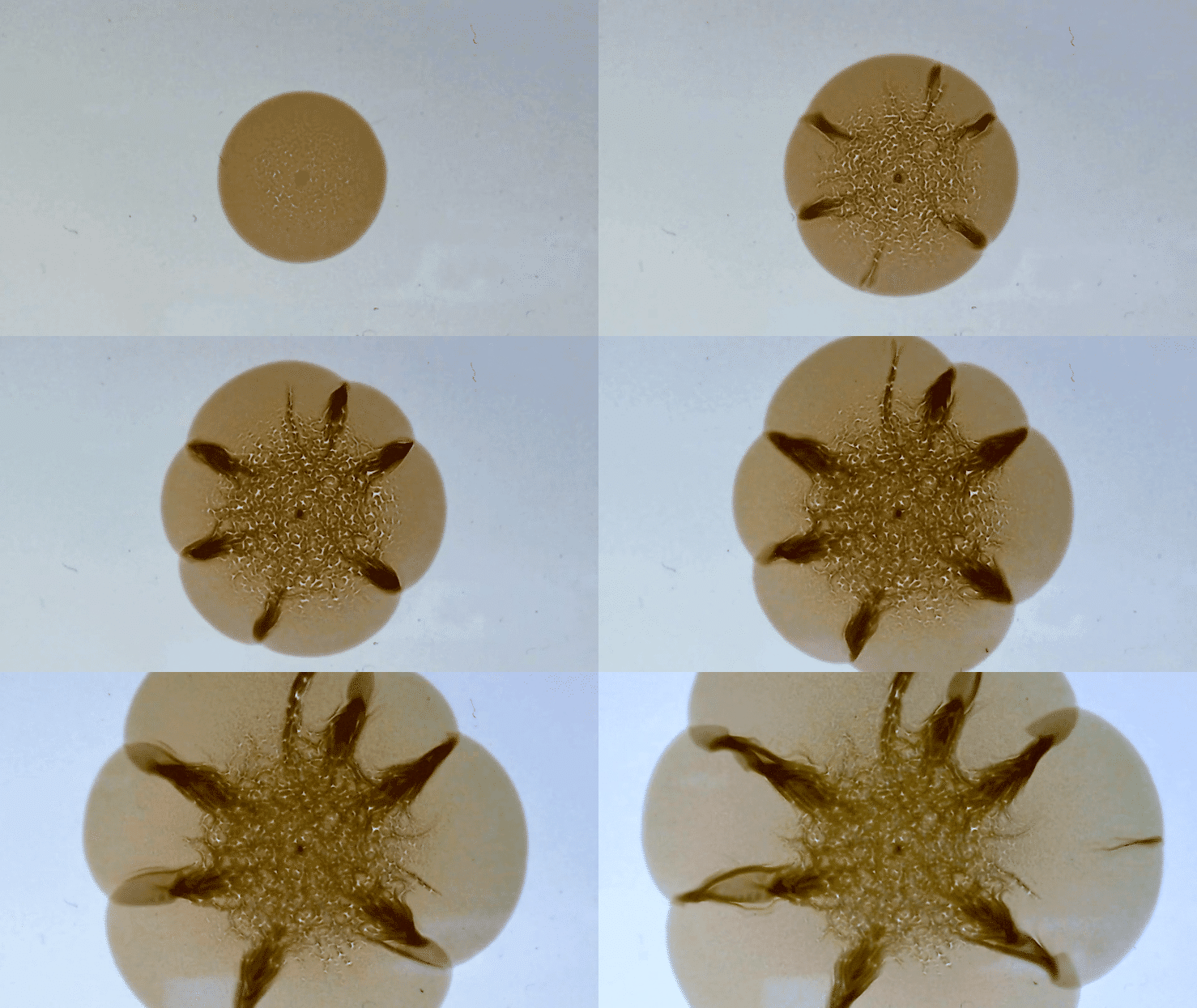
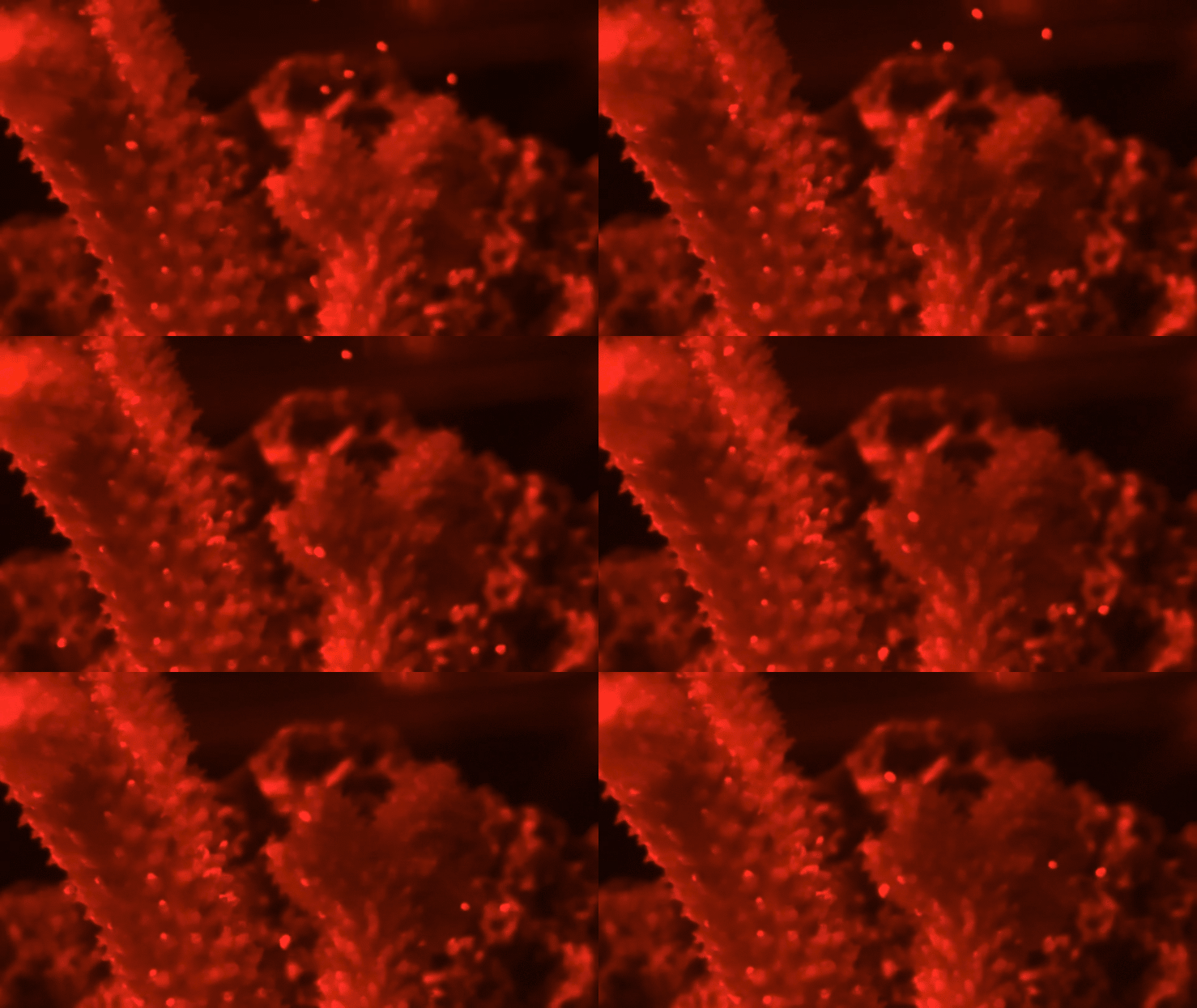
Yeast
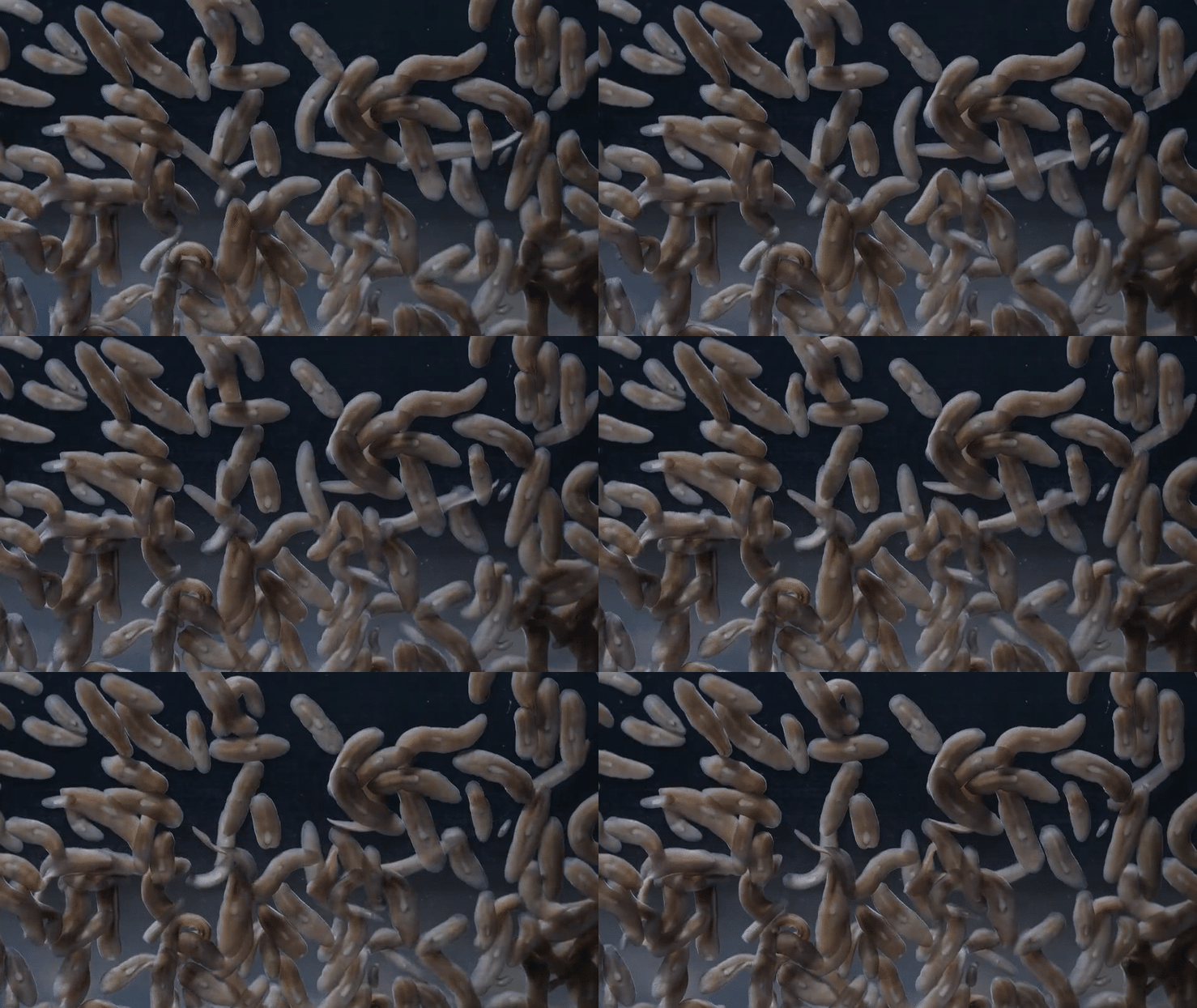
Planarian
Coral spawn in lab

From a single cell to a nearly “immortal” worm and a coral spawn, these short loops offer a glimpse at the unusual organisms Stowers scientists study to uncover how life repairs, adapts, and regenerates. Shown in order: yeast, planarian, coral.

For Miller, the mission is equal parts science and support. His department’s goal is to maintain “happy and healthy animals” so researchers can work with confidence. “Helping the labs replicate experiments that lead to new insights...that’s our goal,” he said. “We have a truly outstanding team that doesn’t take for granted our role or responsibility in the discovery process.”

And when he looks at these animals, from worms and snails to sea anemones and coral, he doesn’t see them as “unappealing” or “unusual,” as some people might. He sees possibility.

“When I see these organisms,” Miller said, “I see untapped potential.”

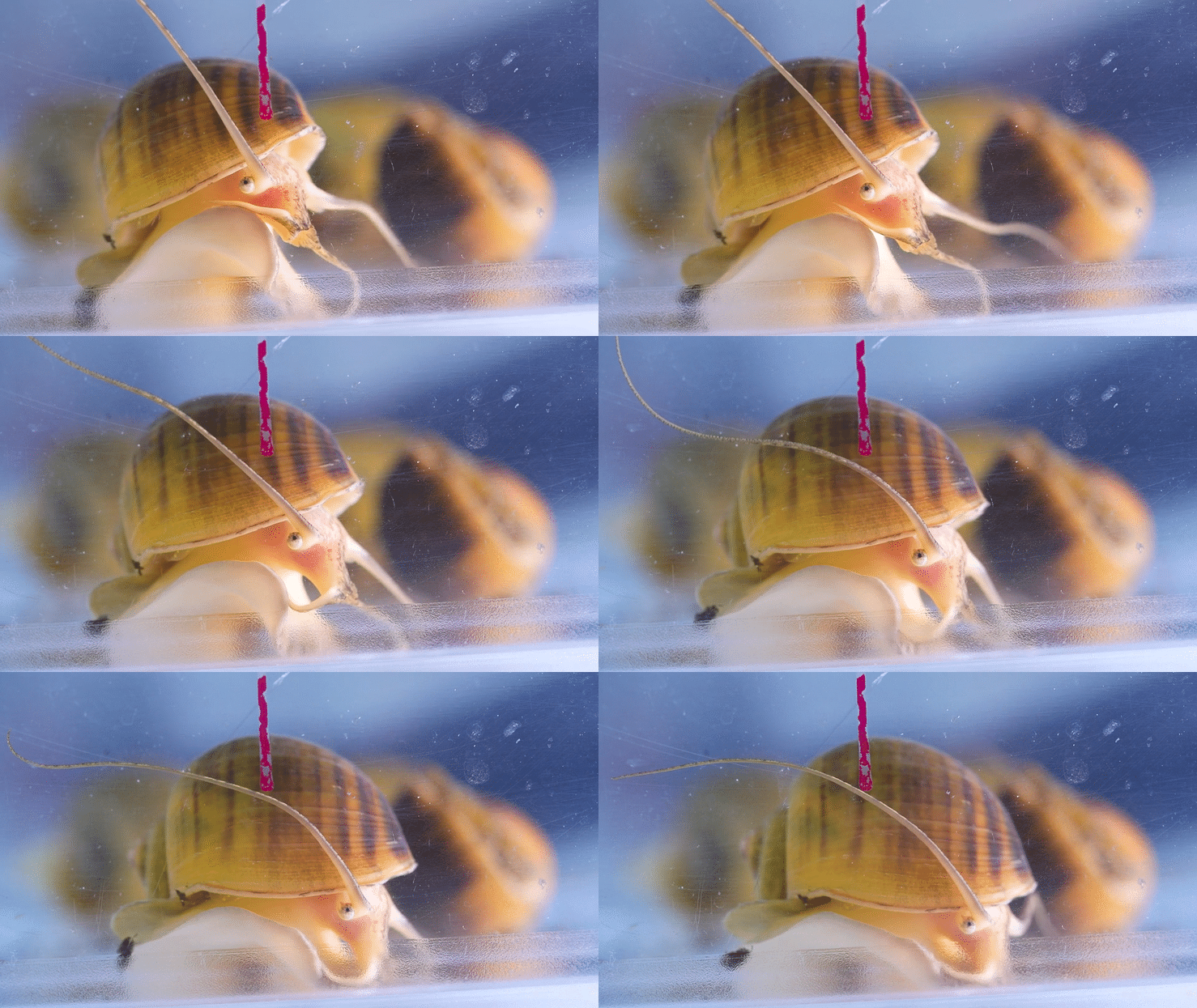
Apple snail
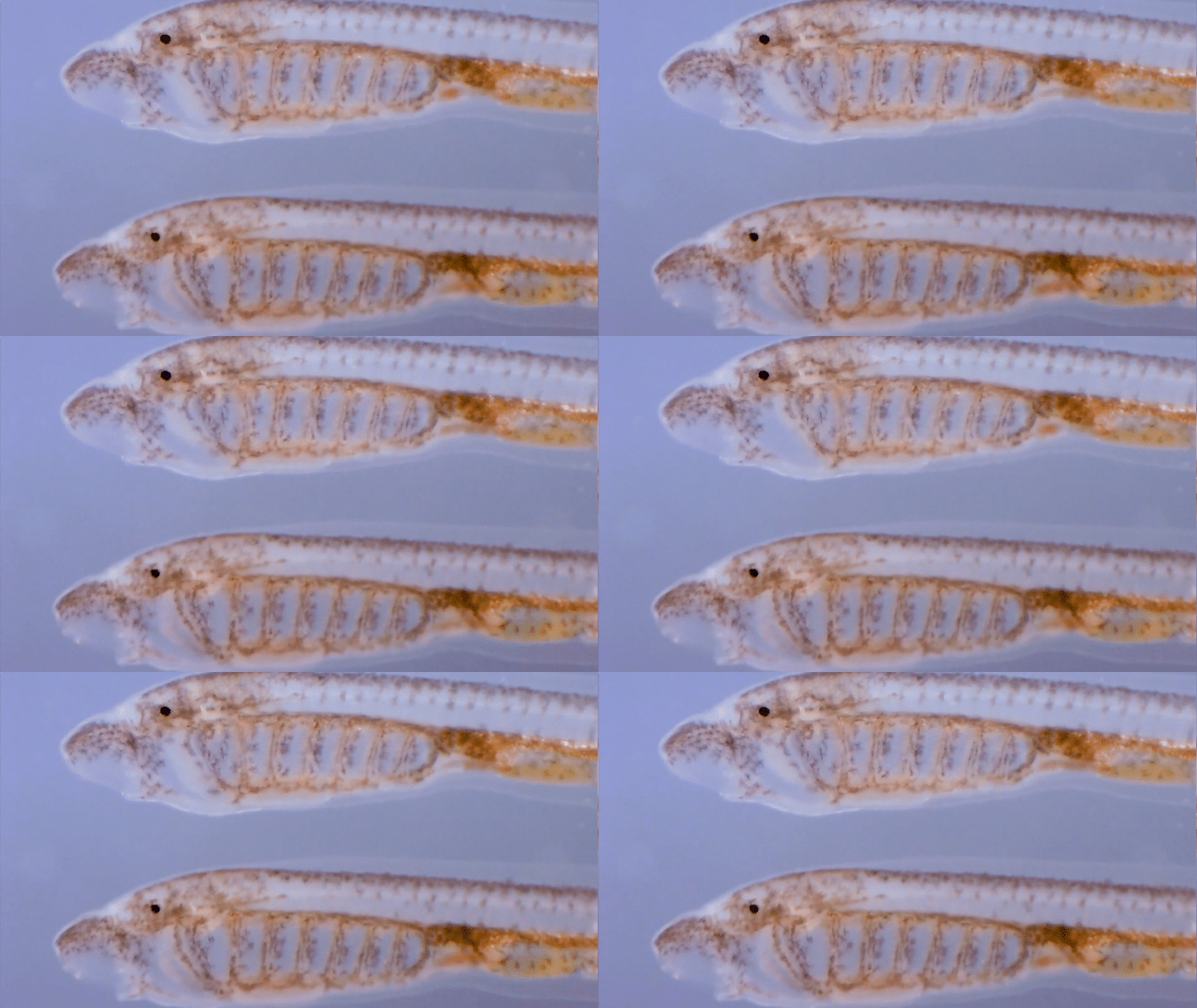
Lamprey

Two more unlikely research organisms that each offer unique clues about development, adaptation, and how living systems rebuild. Shown in order: apple snail, lamprey.

Newsletter & Alerts