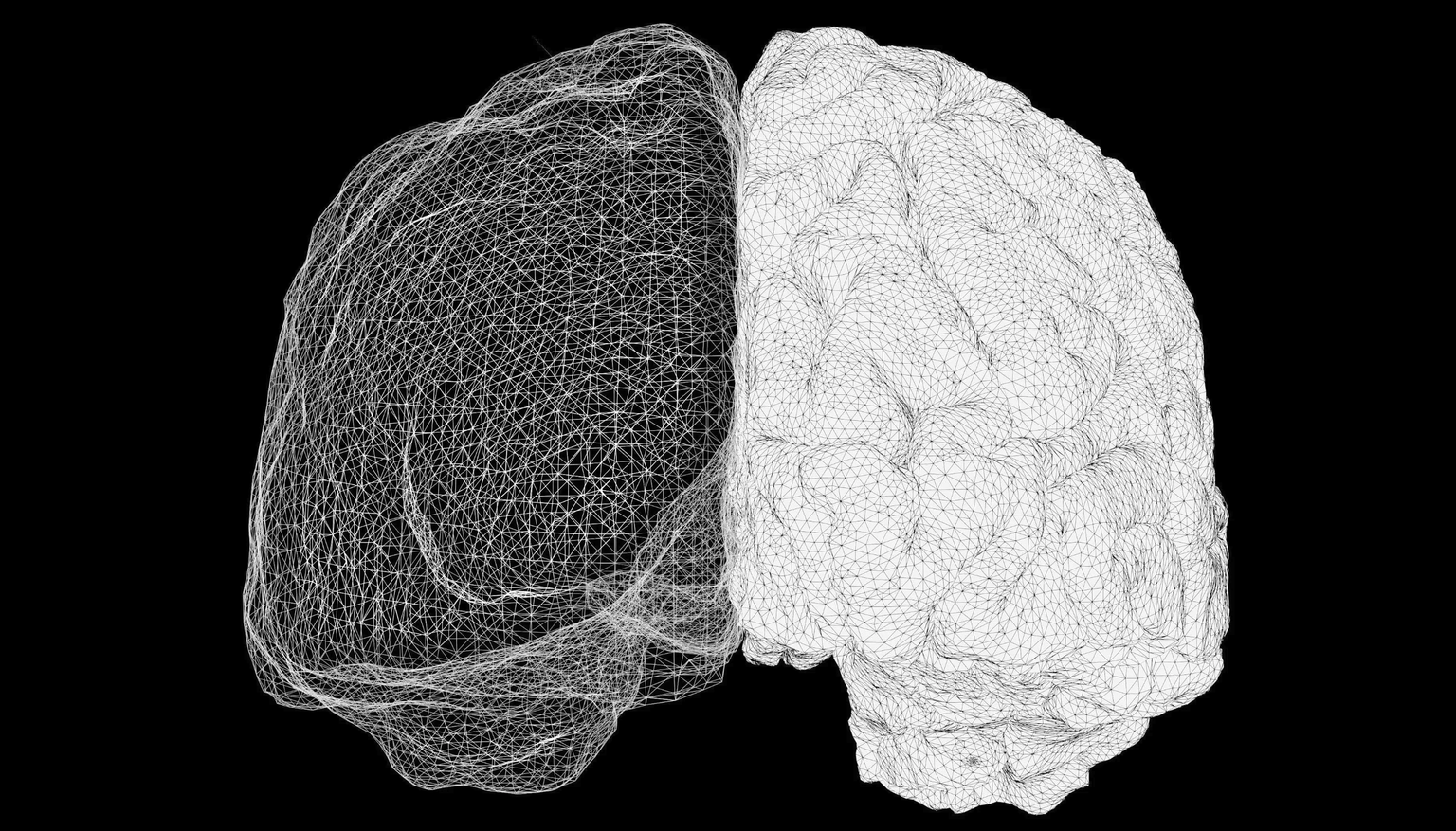
Understanding the brain means confronting some of biology’s toughest questions. Stowers scientists are exploring how memories last, how neurodegenerative disease begins, and how the brain’s circuitry takes shape.
20 March 2026
Few mysteries in biology feel more personal than the brain. It’s where a moment becomes a memory, where identity takes shape, and where tiny molecular events can help us learn, adapt, and survive. In other cases, it’s where disease can be set in motion.
At the Stowers Institute, scientists are approaching those mysteries from different angles.
Their work spans memory, protein self-assembly, and brain development, but shares a common goal: to uncover the fundamental principles that make the brain function, thrive, and sometimes fail.
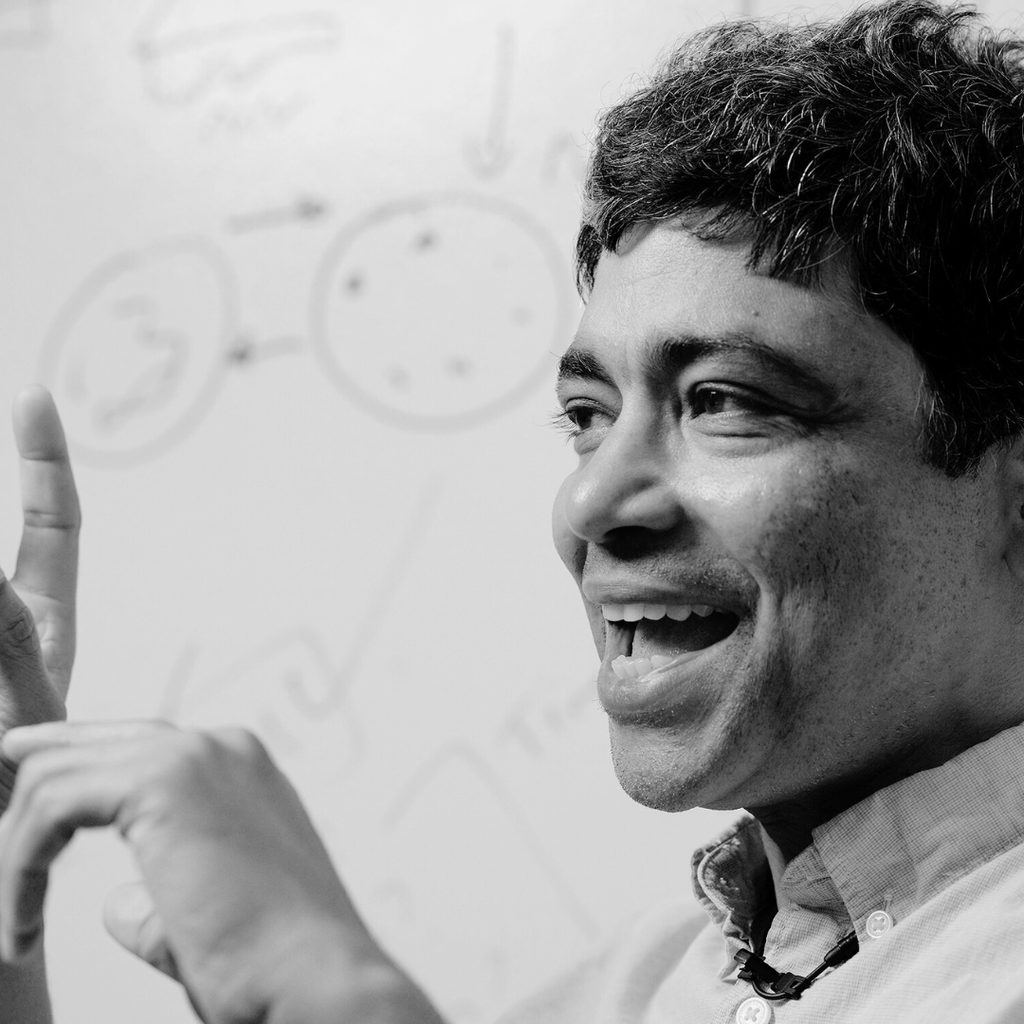
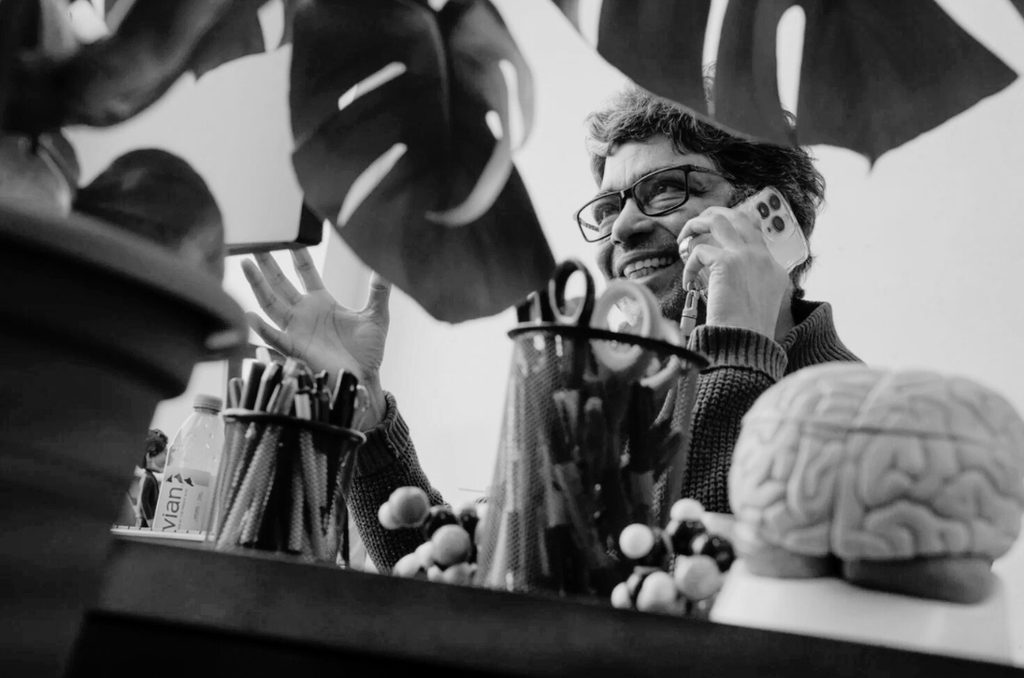
Stowers Institute Scientific Director Kausik Si, Ph.D.
The mystery of memory
Stowers Scientific Director Kausik Si, Ph.D., studies how memories last long after an experience ends.
“In my lab we’re trying to understand how we make memories,” Si said. “One of the central mysteries is how proteins in the brain that are supposed to disappear can actually stick around and make memories.”
That question has led his lab to a surprising place. His team is exploring the role of amyloids, protein structures often associated with diseases such as Alzheimer’s, in memory formation. His team’s research has shown that amyloid-like structures can also play beneficial roles in the brain, helping explain how fleeting experiences may become lasting memories.
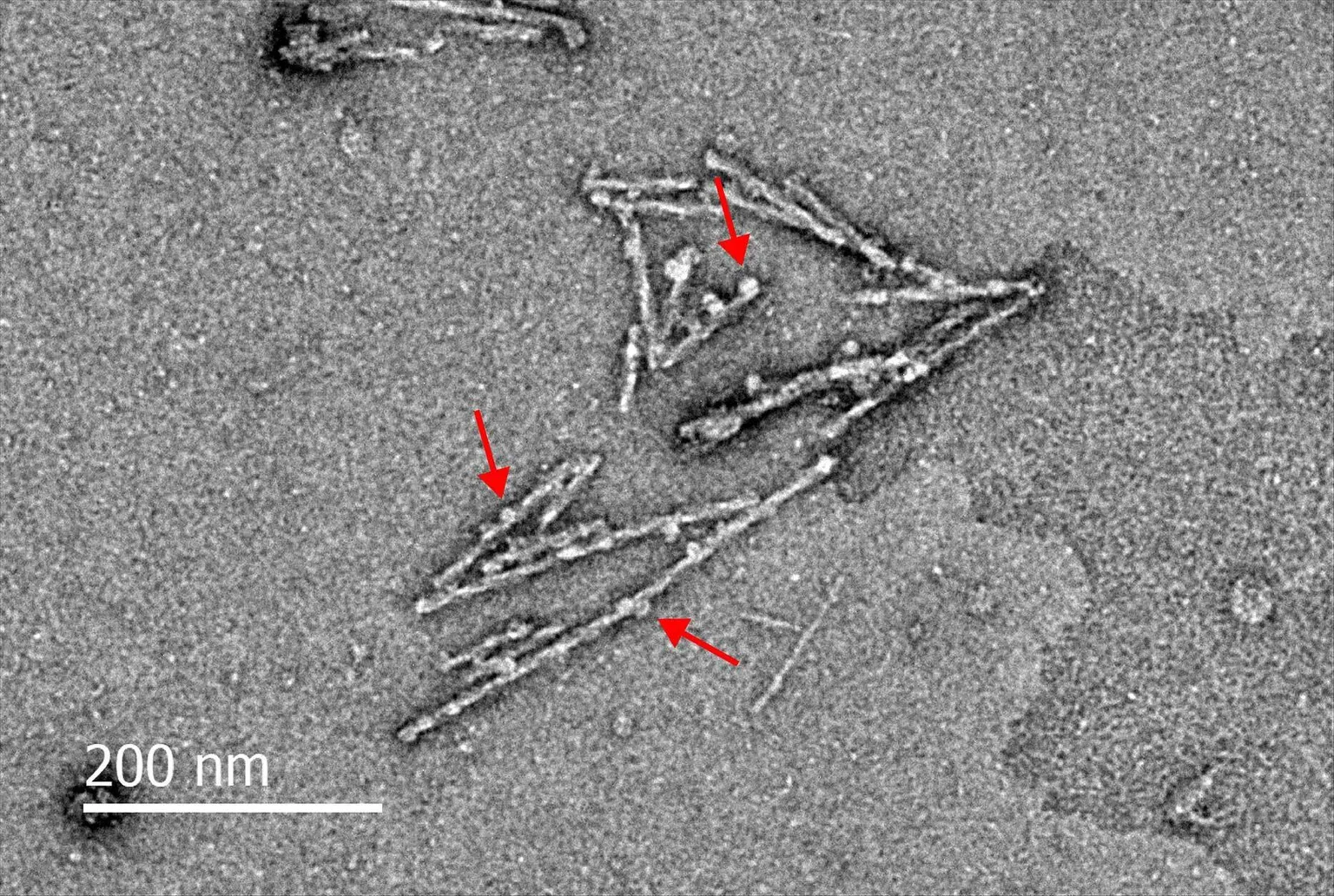
In a paradigm-shifting Cell study from 2020, Si and his team identified Orb2, a fruit fly protein, as an amyloid with a known biological function that can adopt an amyloid shape as part of its normal and necessary role in memory persistence.
New research published in 2026 provided direct evidence that the nervous system can deliberately form amyloids to help turn sensory experiences into lasting memories.
Electron microscopy image of Orb2 amyloid fibers. Red arrows indicate the chaperone protein Funes aiding in the assembly of Orb2 amyloid.
Si’s work challenges one of the most familiar assumptions in brain science: that amyloids belong only to disease.
Understanding how memories form may also help illuminate why memory fails, he said. There’s also an urgency and timeliness to such research.
“Anybody who is living long enough should be interested in this sort of problem,” he said. “Age-related memory loss is something more and more people will face as people live longer.”
The spark before disease starts
Stowers Investigator Randal Halfmann, Ph.D., investigates the earliest molecular events that may spark neurodegenerative disease, and the role aging may play in the process.
Associate Investigator Randal Halfmann, Ph.D.
While Si is asking how the brain holds on to experience, the Halfmann Lab is asking what happens when protein behavior in the brain begins to go wrong.
“Many neurodegenerative diseases are progressive in nature,” Halfmann said. “They start with a protein that aggregates, and once that protein starts to aggregate, it keeps on aggregating. It’s kind of like if you were to strike a match in a dry forest. Once the fire gets going, it’s really hard to put out.”
His lab wants to know what happens before that fire spreads. “What is the spark that lights the fire?” he said.
In doing so, his lab focuses on protein folding, aggregation, and phase transitions tied to aging and disease. He and his team investigate the physics governing protein self-assembly and develop technologies to study these processes in living cells.
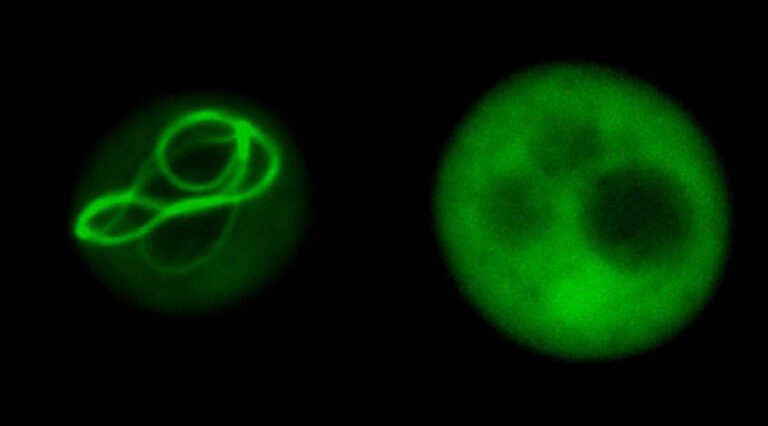
Fluorescent microscopy illustrates proper protein self-assembly (left) compared to the assembly disruption from a mutated protein (right) in yeast cells.
Halfmann’s work is relevant to neurodegenerative diseases in which proteins aggregate over time, including Huntington’s, Alzheimer’s, Parkinson’s, and ALS.
“We want to identify the very moment in time when a protein first makes the mistake that’s going to be self-perpetuating,” he explained.
It’s quite the audacious goal for Halfmann’s lab, but the outcome could have significant implications. “What if we could stop disease before it starts?” he said.
How the brain is built
Stowers Investigator Neşet Özel, Ph.D., studies how the brain is built, uncovering new insights into how it develops and how genes help shape the precision of neural circuits.
Özel’s work begins even earlier.
“In the most basic sense, I study how brains develop,” Özel said. “In a more specific sense, I study how genes control brain development.”
Özel joined the Institute in 2024 as a neuroscientist whose research combines genetics, imaging, single-cell genomics, and computational modeling to understand the molecular mechanisms that control brain development in the fruit fly Drosophila.
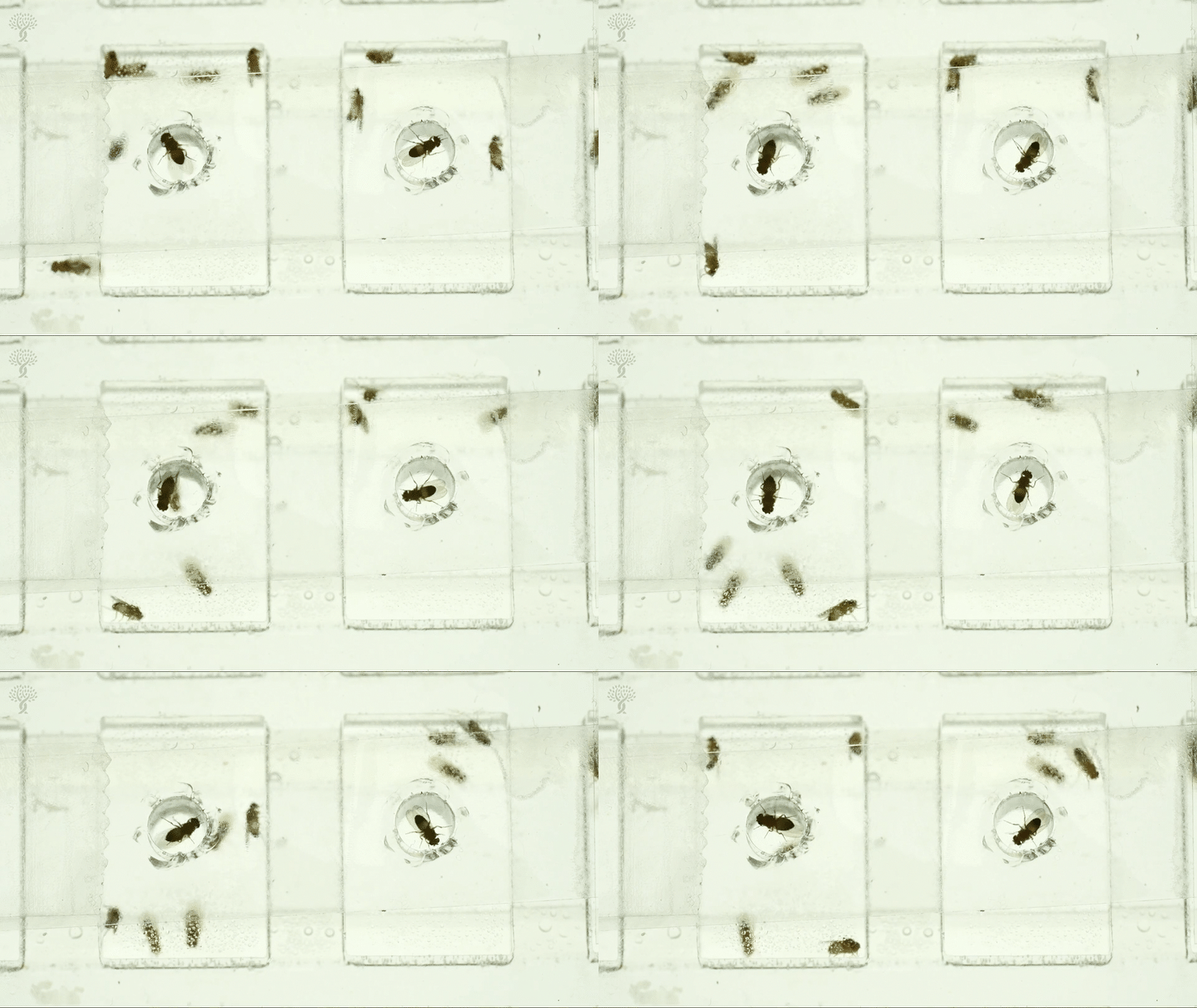
Drosophila (fruit fly)
His work is uncovering how neurons acquire their identities and how those identities help determine the precise patterns of connectivity that make a nervous system function.
“It's just something I’ve always been interested in. I think the brain is the most complex system in the known universe,” he said.
The Özel Labinvestigates the gene regulatory networks involved in neuronal identity. Neurons differ in their location, shape, signals they send, and the connections they form.
Assistant Investigator Neşet Özel, Ph.D.
“Connectivity gets a great deal of attention when scientists talk about memory and behavior,” Özel said. “But we also need to understand how that connectivity develops in the first place using genes.” Exploring that question carries significance beyond development alone.
In diseases such as Parkinson’s, cell loss is often not random. It affects highly specific types of neurons. One barrier to cell replacement treatments, Özel explained, is that scientists still do not fully understand neuronal identity with enough precision to recreate those cells exactly as needed.
“This work could help open the way to create these cell types in a much more precise manner,” he said.
Understanding why the brain can remember, adapt, and endure — and also why it can often decline — requires a deeper understanding of its biology at the most foundational level.
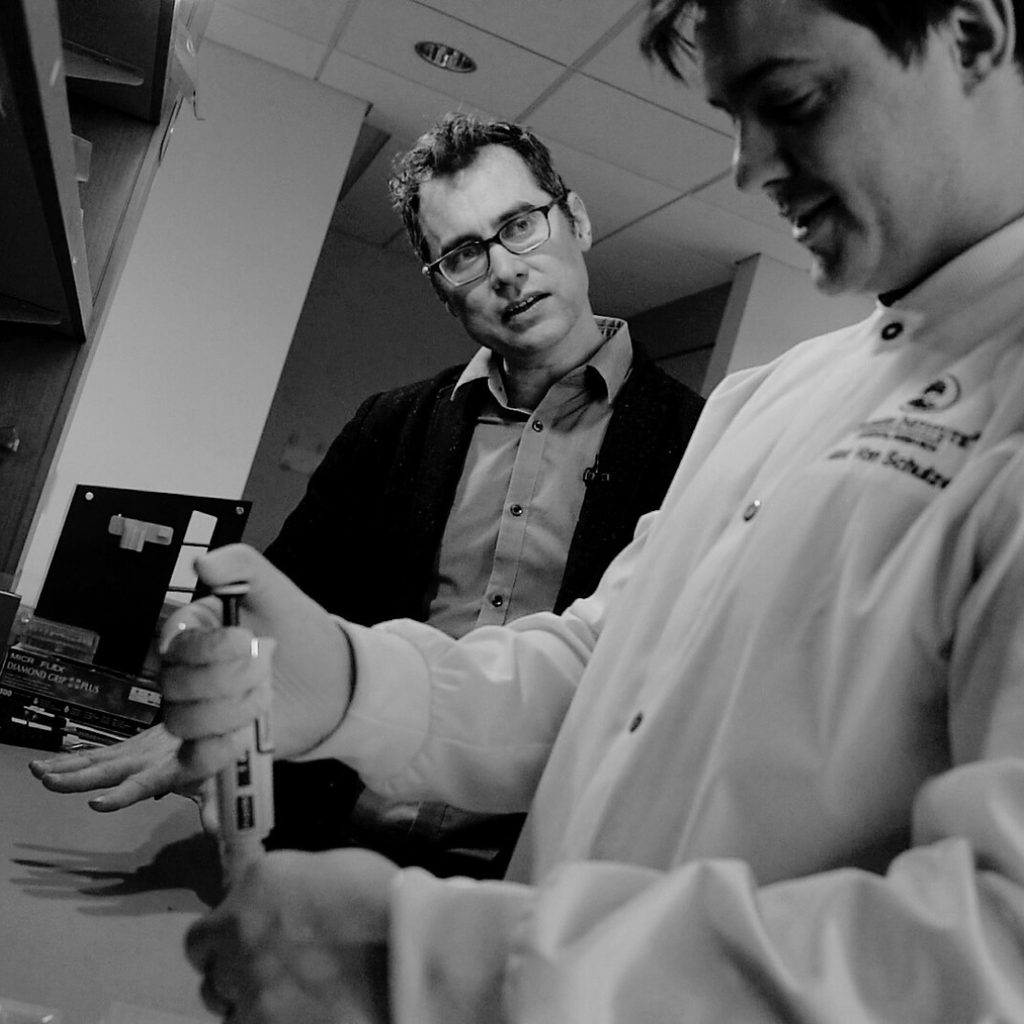
Stowers Institute Scientific Director Kausik Si, Ph.D.
“I think it is just as important for us to target disease as it is to try to understand what about our brain makes it so susceptible to these diseases,” Si explained. “What are the unique features of our brain that allow us to do these amazing things? But at the same time, these amazing things also make it extremely vulnerable. That is the foundation. It’s the thing we need to understand.”